Several factors influence the final
commercial cleaning service cost:
- Building size – larger properties might require more labour and equipment.
- Cleaning frequency – daily cleaning will naturally cost more overall than a weekly visit.
- Property type – medical facilities, childcare centres and industrial premises may require specialised procedures.
- Accessibility - difficult-to-reach windows, multiple floors and restricted access can increase labour requirements.
- Time of service – evening, overnight, weekend and public holiday work can affect pricing.
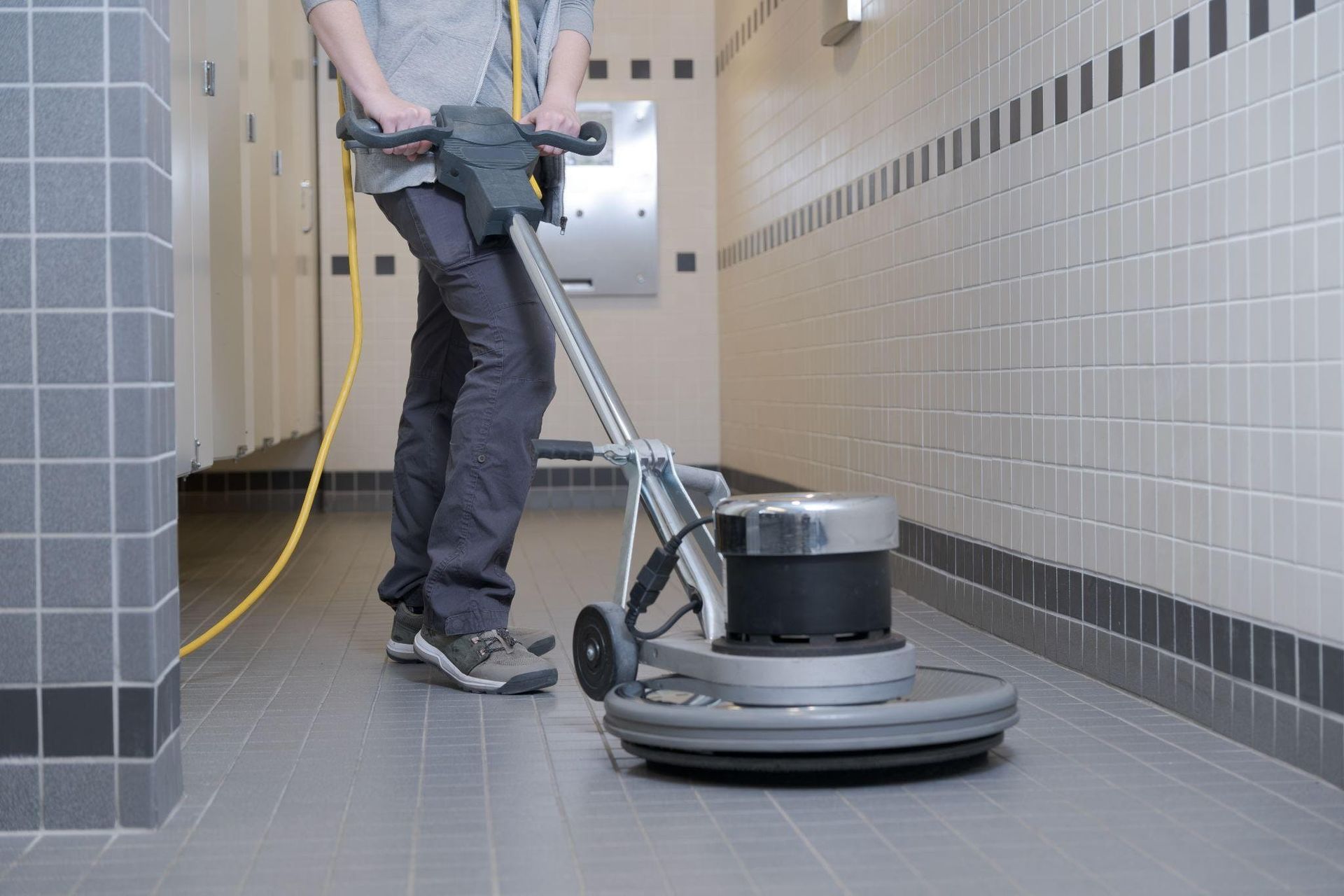
- Cleaning requirements – deep cleaning, carpet treatments and specialised floor care may attract additional charges.
How to Choose the Right Commercial Cleaning Provider
Although it’s tempting to go for the cheapest quote, the best commercial cleaning provider is rarely the one offering that. You’re much better off going for a company that understands your building's requirements, delivers consistent results and can maintain the agreed standard over time. Before committing to a provider, consider the following.
1. Experience with similar properties
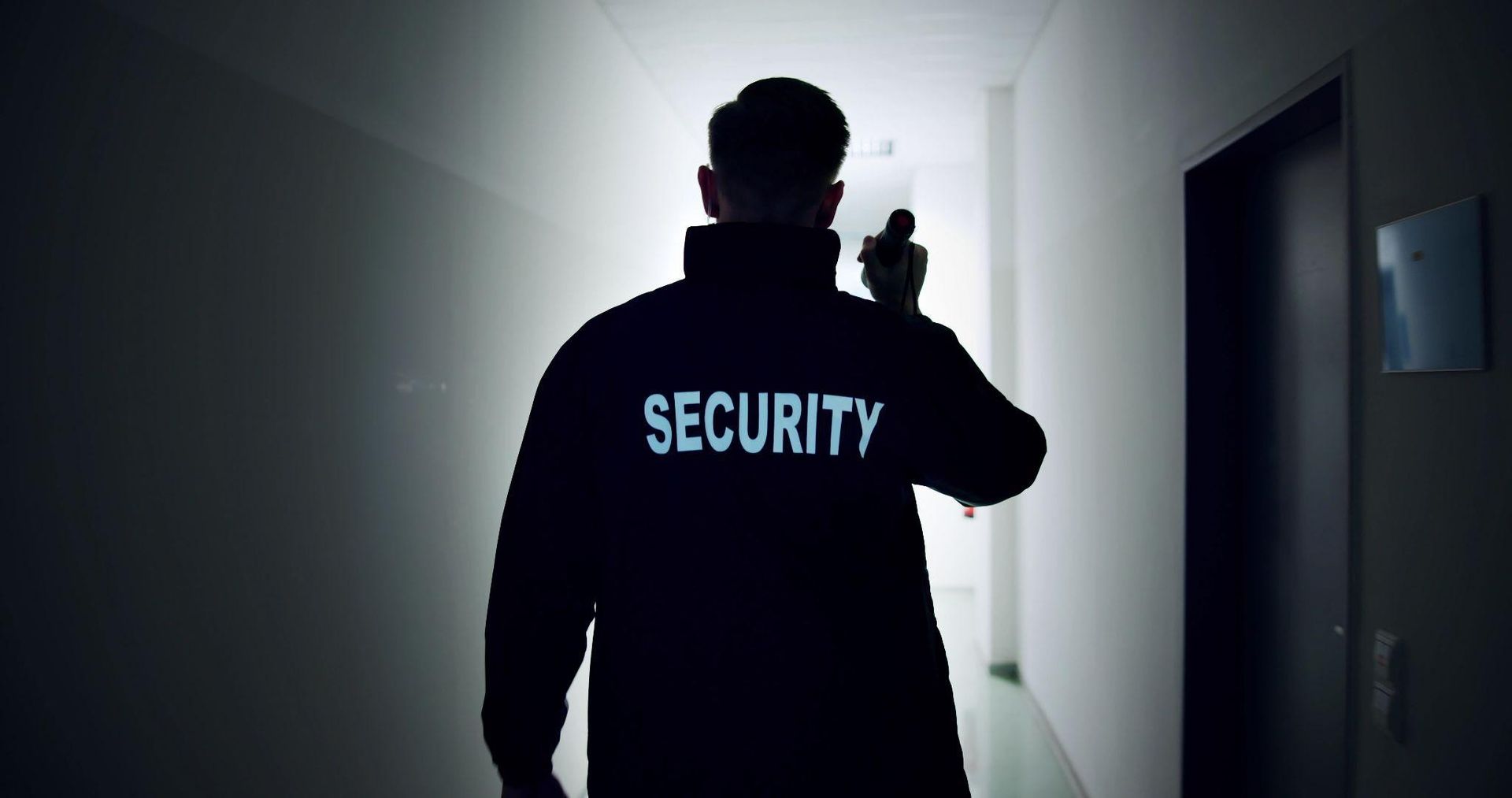
A company experienced in maintaining large office buildings may be better equipped to manage shared facilities, high-traffic areas and complex cleaning schedules. Ask whether they've worked with properties similar to yours, as from a security point of view, they will need to understand your
evolving risk profile.
2. Insurance and workplace safety
Check that the provider has appropriate public liability insurance and follows relevant workplace health and safety requirements. Cleaning staff should also understand safe chemical handling, equipment operation and site-specific procedures.
3. Clear service agreements
A professional provider should be able to outline exactly what's included, how frequently tasks will be completed and how additional requests are handled. Avoid vague agreements that leave room for misunderstandings.
4. Supervision and quality control
Ask how cleaning standards are monitored. Regular inspections, documented checklists and an accessible point of contact can help resolve problems before they become ongoing frustrations.
5. Flexibility and communication
Building requirements can change. You might need additional cleaning before an inspection, after an event or during a particularly busy period. A provider that communicates well and can accommodate reasonable changes is a good sign of a valuable,
trustworthy cleaning partner.
Uniquely Yours: Finding the Best Commercial Building Services Provider For You
As mentioned, your property is uniquely yours. Even if it has the same floorplan and operations as others, you'll have your own unique workflows, processes, culture and movement inside. The best
commercial building services provider for you is one that is willing to learn how your business works and integrate into it.
Look for a company that prioritises:
- Reliability – services are delivered at the agreed times and to the expected standard.
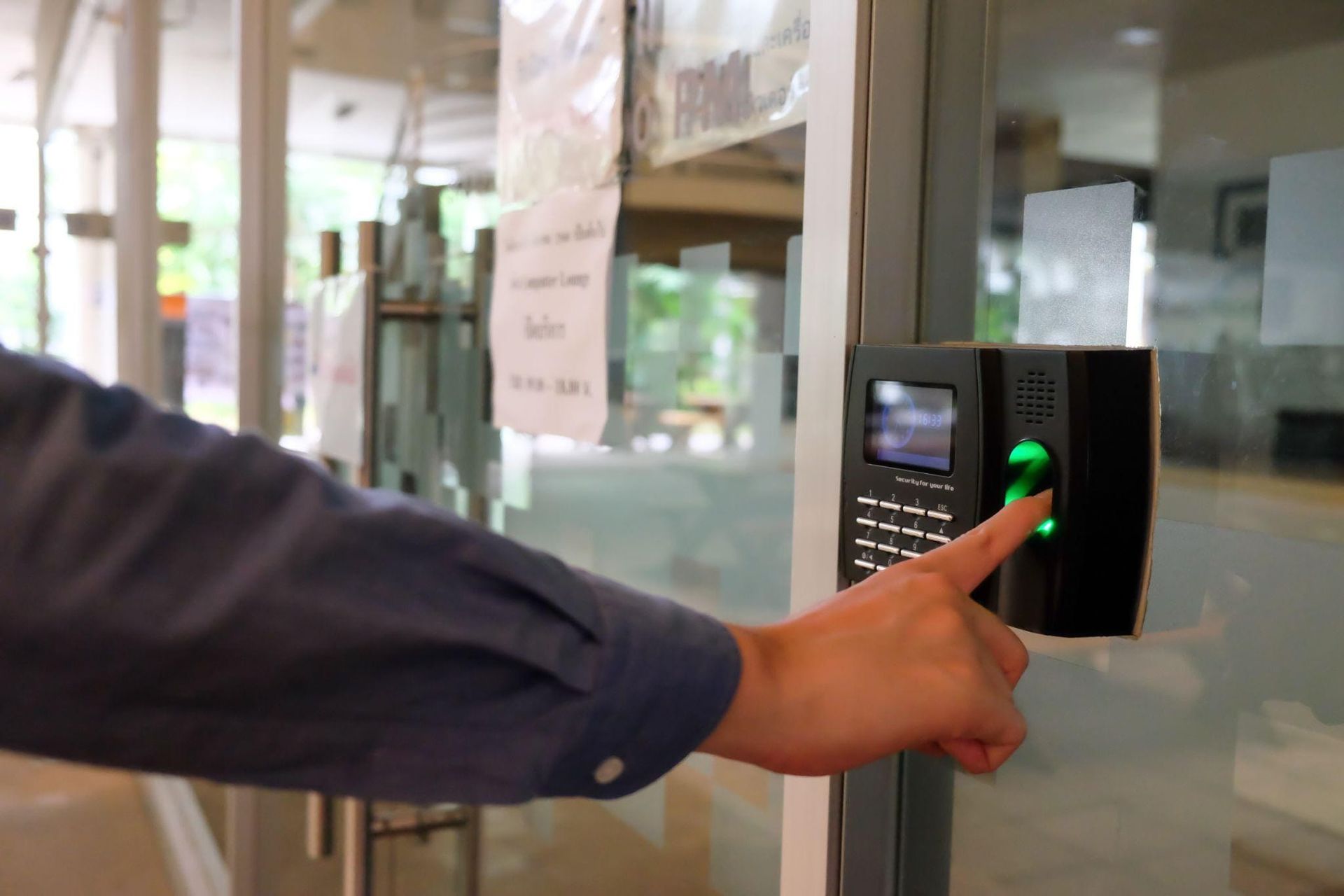
- Accountability – there's a clear management structure and someone responsible for addressing concerns. They could integrate into your
electronic security system, too, so their presence is accounted for.
- Consistency – staff follow documented procedures rather than relying on guesswork.
- Industry knowledge – the provider understands relevant safety requirements, building operations and service expectations.
- Scalability – services can adapt as your building grows, changes tenants or experiences different occupancy levels.
References and previous client experience can also help you understand what working with a provider looks like beyond the initial sales conversation. During a search, remember that the best provider is one that makes managing your building easier, not another contractor you constantly have to chase.
Key Takeaways
A clean, well-maintained commercial building pays your business back in dividends. It creates a better environment for employees, customers, tenants and visitors. It also helps protect the property's assets and supports smoother day-to-day operations. Then there are the reputation and
maintained brand image benefits of a well-looked-after space.
Choosing the right provider to deliver this starts with understanding your building's needs, comparing service agreements and looking beyond price alone. Consistent service, clear communication and appropriate industry experience are what make a lasting difference. If you're reviewing your current arrangements or looking for professional support,
contact the team here at
SSX Group to discuss your commercial cleaning requirements and request a quote.
Frequently Asked Questions About Commercial Cleaning
Is commercial cleaning the same as office cleaning?
Not quite. Office cleaning is one type of commercial cleaning. But commercial cleaning also covers retail stores, medical facilities, schools, hospitality venues, warehouses and other non-residential properties, each with different cleaning requirements.
How often should a commercial building be cleaned?
It depends on the building's size, occupancy and use. Busy offices may require daily cleaning, especially in bathrooms and shared kitchens, while smaller premises might only need a few visits each week.
Is commercial cleaning charged by the hour or square metre?
Both pricing methods are common. Hourly pricing is often used for smaller or flexible jobs, while square-metre rates can help estimate costs for larger properties with predictable cleaning requirements.
Should I use separate cleaning and security companies?
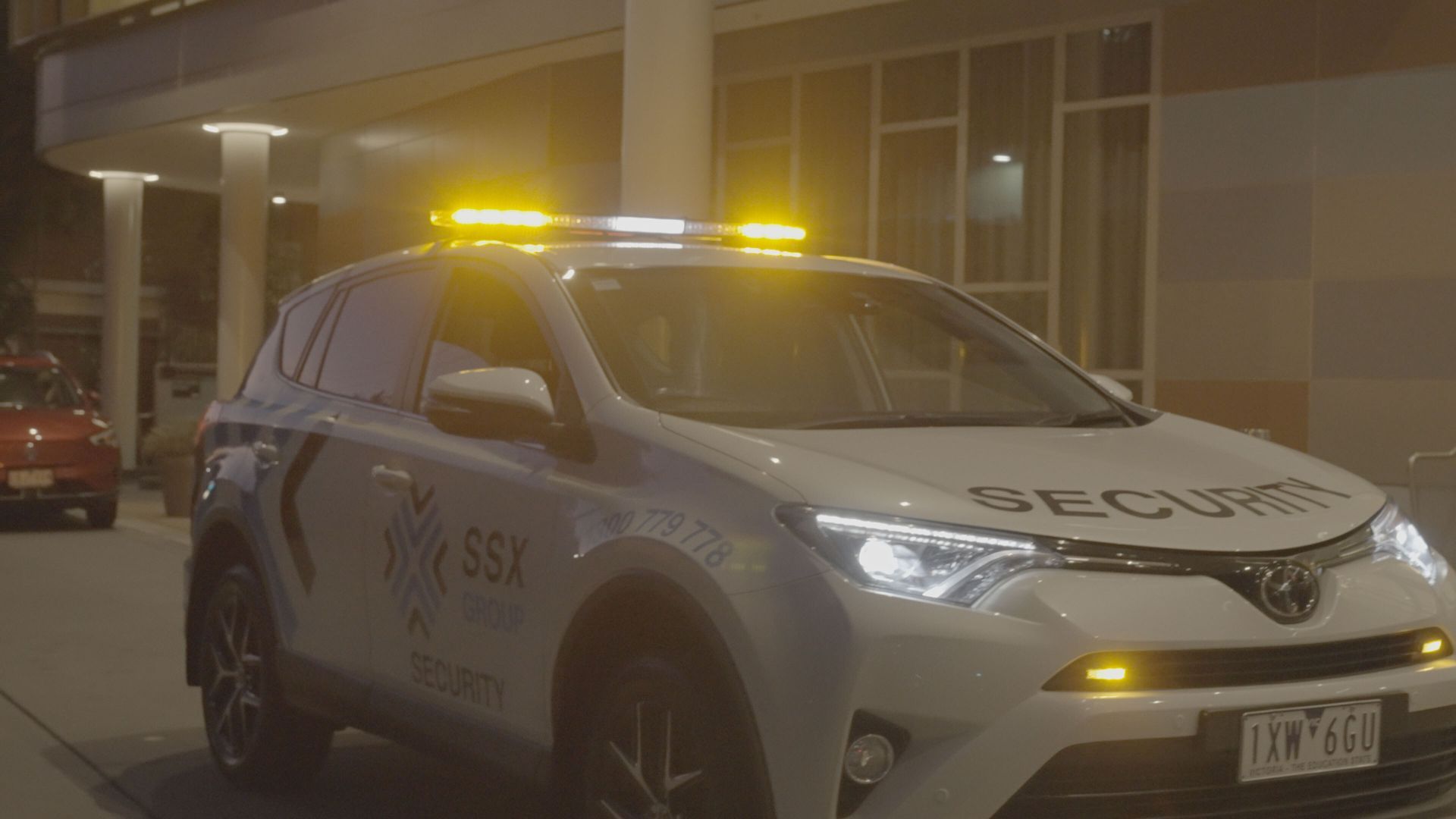
It’s actually better if you can combine them, as it means you can work with a holistically supportive partner. Some businesses prefer separate specialists, while others value coordinated building services. The key is ensuring each provider has the right expertise, credentials and clearly defined responsibilities.