From AI Analytics to Mobile Patrols: How Technology Is Enhancing Physical Security

May 25, 2026

For so long, physical security has used the same tried-and-tested techniques to maintain safety and promote good behaviour in spaces. But that’s changing quickly thanks to the introduction and fast evolution of industry tech. What was once a reactive industry built around guards, static cameras, staff presence and scheduled patrols is now becoming far more connected and intelligent.


Despite the rise of automation and AI threatening jobs in other industries, their evolution is helping security teams work smarter by giving them better information, clearer situational awareness and more efficient ways to coordinate responses. Modern security services that embrace the new tools available are finding the kind of visibility and control over their managed spaces that were once a pipe dream.


Here at SSX Group, our goal is to make safer communities. Part of that is staying ahead of the curve in terms of advanced methods that make security more thorough and effective. From AI-powered analytics through to connected patrol systems, below we’ll explore how modern physical security is becoming a blend of human capability and intelligent systems and the ways in which tech is being used effectively in the industry.


The Shift From Reactive Security to Smarter Operations


For years, physical security relied heavily on routine. Things like patrol officers following fixed schedules, CCTV footage that was often reviewed after incidents had already happened and alarms that were typically operated as standalone systems were about all we could do. Traditional electronic security infrastructure often worked independently from broader operational systems, limiting visibility and slowing response times.


Today, sites are larger, risks move faster and organisations expect more measurable outcomes from their security providers. And this is exactly where advanced security technology is reshaping the industry.


Instead of simply reacting to incidents, security operations are now increasingly focused on prevention, early detection and coordinated response thanks to tech that gives insights we previously couldn’t generate. As technology is now being used to identify unusual activity and verify threats, direct security resources can be channelled to where they are needed most.


AI Analytics Are Changing Security Response


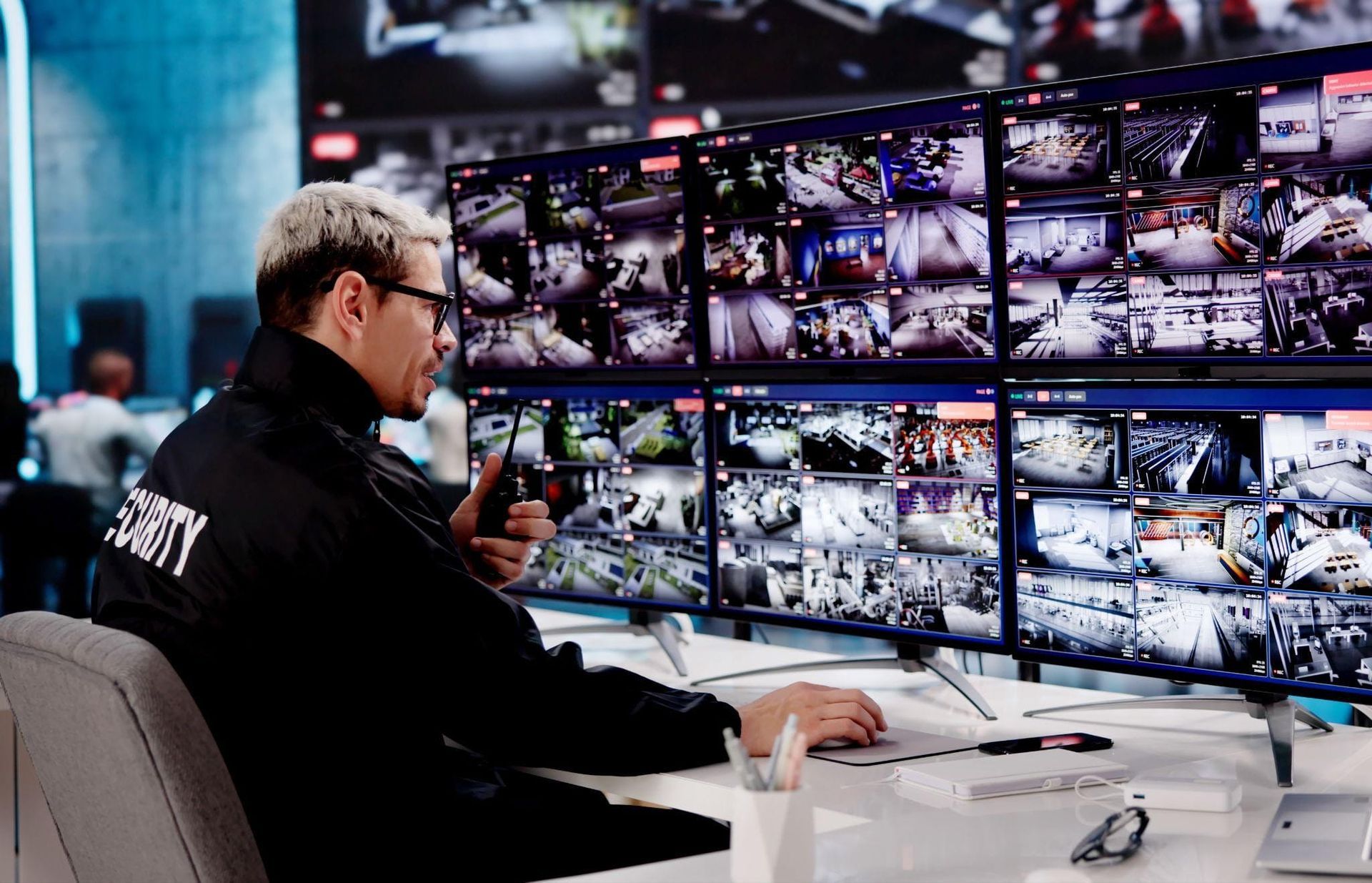
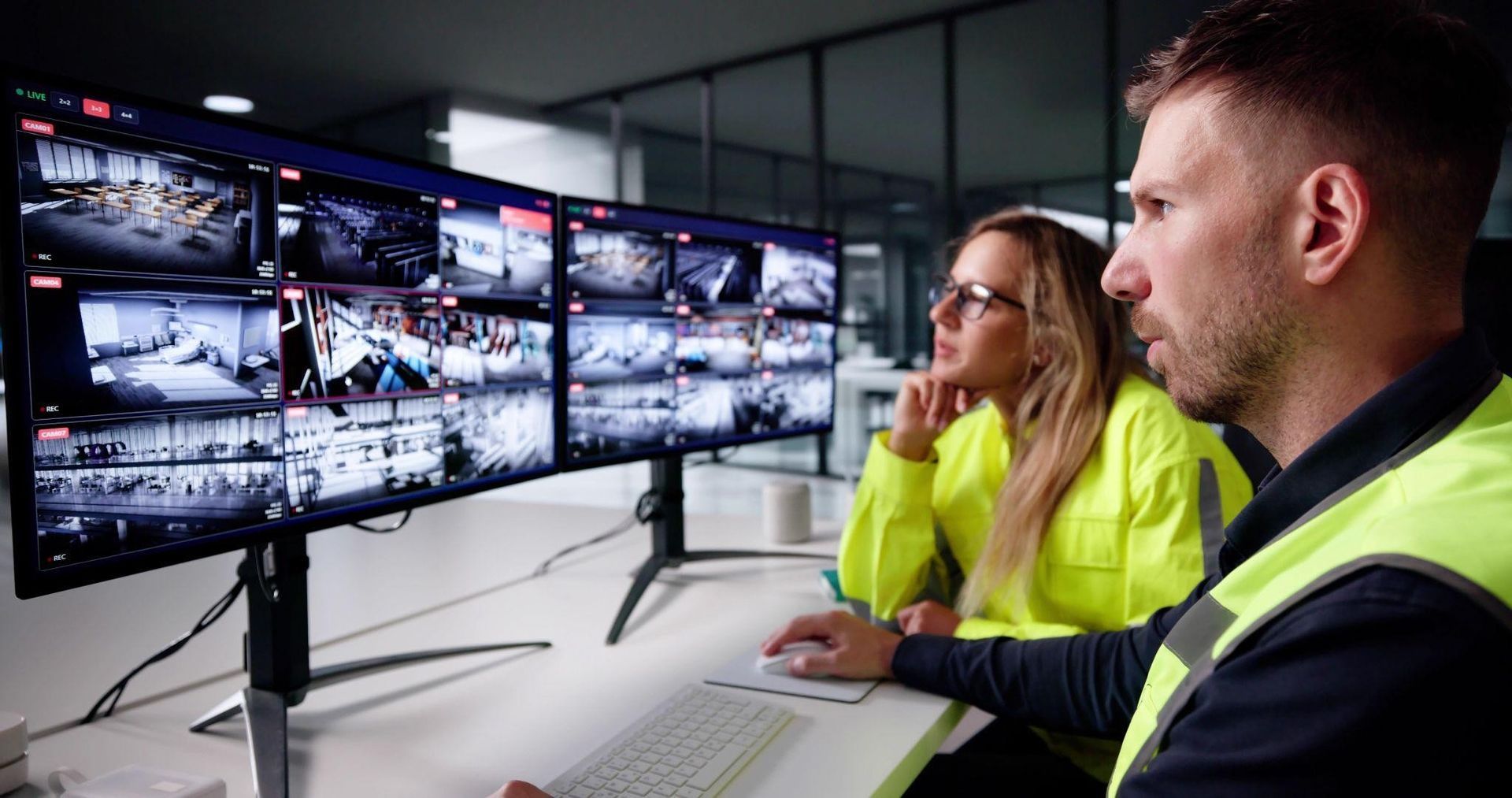
So when we talk of this industry-changing tech, what exactly is it? Well, for starters, artificial intelligence has become one of the biggest developments in electronic security because of the insights it can derive. AI-enabled systems can now analyse live video feeds and operational data in real time, helping security teams identify potential threats much faster than traditional monitoring methods.


In practice, AI is less about filtering lots and lots of information. A modern security monitoring technology platform can identify unusual movement, shoplifting patterns, unauthorised access attempts or suspicious behaviour without requiring operators to manually monitor countless screens.


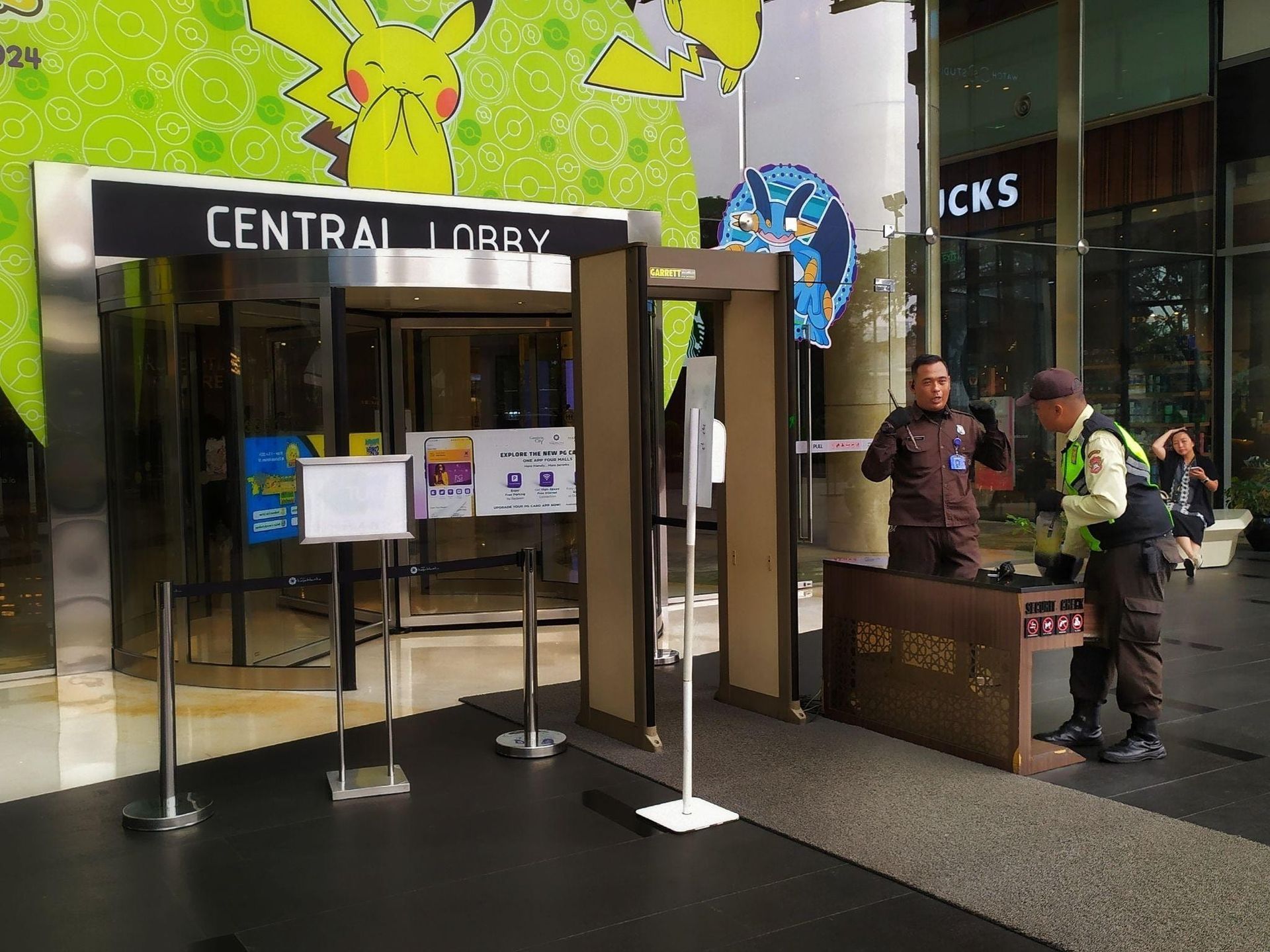
Human judgment is still just as important as the tech. Technology can identify patterns and raise alerts, but trained operators and patrol officers are still essential when it comes to assessing situations and responding appropriately. This is even more important in environments requiring visible deterrence, like government security operations or high-risk commercial environments.


Integrated Systems Are Creating Smarter Security


One of the biggest changes in physical security is the move toward integrated systems. In the past, CCTV, alarms, access control and patrol operations often worked separately from one another. Information was fragmented, and as we had to piece the information together, it resulted in slow response times. But now, some security teams are increasingly using advanced security technology to bring those systems together into one connected platform.


A camera might detect unusual movement after hours. AI analytics could then verify the activity. An alert will be sent to a monitoring centre, and then the operators can access live footage and dispatch mobile teams before arriving on site. This approach is a much better way to manage resources. It means more threats and activity are registered, while human logic can be used to assign security patrols and coordinate responses across multiple locations. This is super valuable for organisations focused on protecting commercial buildings, where multiple entry points, certain sensitivities, high foot traffic and varying operational hours can create layered security challenges.


Security Patrols Are Becoming More Intelligence-Led


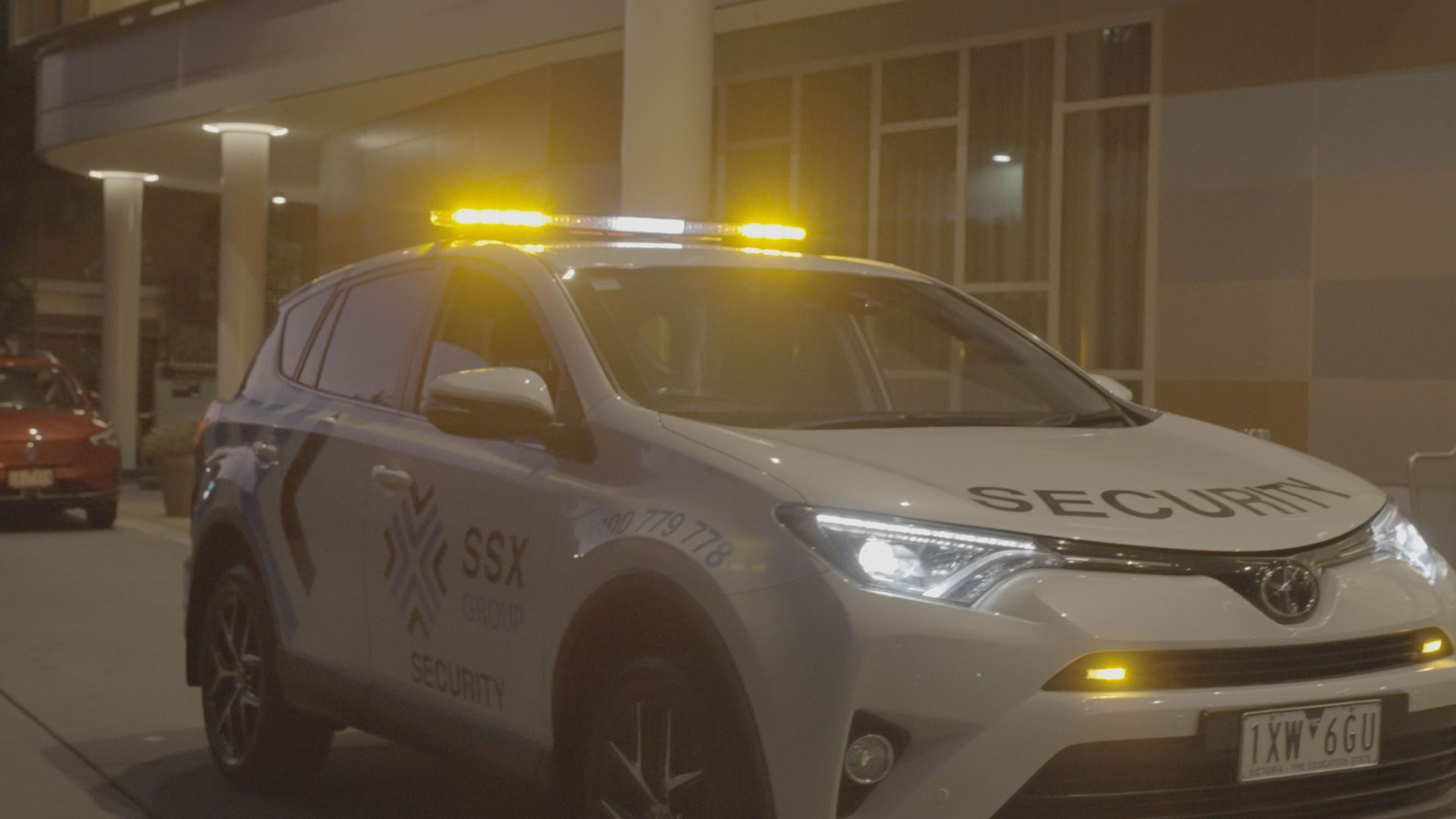
Today, patrol officers are boosted by the network of tech that delivers things like live monitoring systems, GPS tracking, digital reporting tools and integrated dispatch platforms. Rather than simply conducting random rounds, patrols can now respond directly to verified incidents supported by live information. Officers arriving on site may already know which camera triggered an alert and what type of activity was detected.


Modern security monitoring technology is helping mobile patrols become more precise by directing resources where and when they are needed most, too. In many environments, experienced security guards remain the key link between technology, incident response and public reassurance.


Automation and Cloud Technology Are Improving Coordination


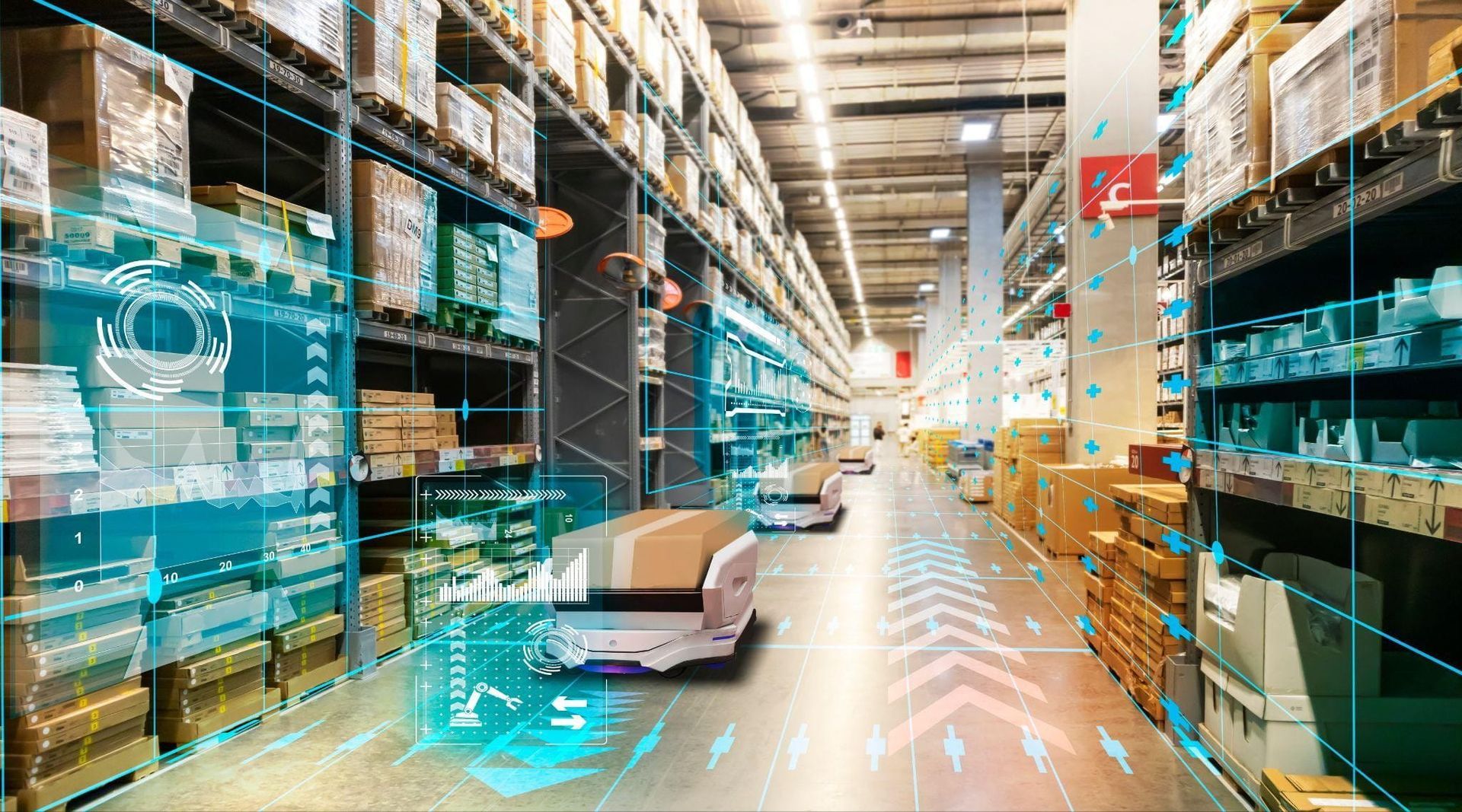
Then, we have the accessibility and efficiency of cloud-based platforms and automation that are also reshaping the industry. Organisations can now monitor multiple locations through centralised platforms, access live operational data remotely and integrate systems across geographically dispersed sites. At the same time, automated workflows can trigger alerts, notify stakeholders and dispatch response teams almost instantly. This reduces delays and helps security teams respond more consistently during high-pressure situations.


For sectors like logistics and large-scale property operations, where centralised oversight is very much a necessity, cloud access is a huge advancement. Integrated systems are also helping support industries with highly specific risk requirements, including industrial and warehousing security and sensitive sectors like banking security, where monitoring accuracy and rapid response capability are critical.


Key Takeaways


AI analytics, connected monitoring platforms, cloud infrastructure and integrated mobile patrol systems are all helping organisations move toward faster, smarter and more adaptive security operations.


Despite how fast this is all happening, physical security still depends heavily on people. Technology can detect anomalies, process data and support communication, but it can’t replace the judgment, reassurance, nuanced logic and adaptability that trained security professionals provide. A better way to look at it is that modern security monitoring technology does make those teams more informed and more effective, and supports integrated security for commercial buildings or coordinating response teams across multiple locations.


Even in highly automated environments using commercial security systems in Melbourne, organisations still rely on people to interpret situations, communicate effectively and make critical operational decisions. For a modern security solution that combines the best available tech with experienced team members who know how to apply the insights, get in touch with the team at SSX today.

Dallas Varney - Founder and Managing Director of SSX Group

Dallas Varney

Dallas Varney provides the strategic vision and operational command that underpin SSX Group’s growth and market credibility. A former member of the Victoria Police Special Operations Group (S.O.G.), Dallas brings elite tactical experience to the corporate environment, translating high-pressure decision-making into commercial strategy, risk leadership, and operational performance.

Related Posts

April 17, 2026
Learn how retail and automotive dealerships can balance security with brand image. Explore strategies that protect assets while keeping spaces welcoming.
March 24, 2026
Running a warehouse or industrial facility is a bit like trying to keep a very large, very busy machine humming along without complaint. Except the machine is full of forklifts, people, pallets, automation systems, conveyor belts and the occasional mystery noise no one wants to investigate too closely during peak hour. These are all things that cause some serious hazards without the right controls in place. That’s why you can’t look at industrial property maintenance as a background task. It’s the quiet, behind-the-scenes work that helps things stay manageable and efficient and avoid things turning into chaos at 3 pm on a Wednesday. Here at SSX Group , our team specialises in property and facility management and maintenance of all kinds of commercial buildings . And we know that warehousing and industrial-sized sites need a specific strategy to keep things working and scalable. So, below we break down what actually makes high-volume, high-asset sites so different and why warehouse maintenance services in these environments need a very different mindset. Why Industrial and Warehouse Sites Are a Different Beast A standard commercial building focuses on things like air conditioning, lifts, emergency exits, fire plans and maybe some lighting and power issues here and there. A warehouse, on the other hand, is dealing with constant motion, heavy machinery and infrastructure that rarely gets a chance to properly rest. Everything is working harder, more often and under more pressure than your average building ever will. Industrial property maintenance is less about routine upkeep and more about keeping an entire ecosystem functioning without interruption. The scale alone changes everything, but so does the intensity. Equipment is often used continuously, and systems are driving productivity. In these environments, warehouse facility maintenance services need to take care of things that break down, but they also need to manage complexity, reduce risk and make sure every moving part of the operation can keep doing its job without unexpectedly stepping out of line. High-Volume Sites Mean Everything Happens, All the Time High-volume warehouses never really switch off. Even when one shift ends, another is starting and in many cases, operations are running continuously around the clock. There’s a constant flow of goods, people and machinery moving through the space, and that level of activity puts ongoing pressure on every surface, system and structure. Floors wear down faster than expected, loading docks take repeated impact throughout the day and doors, conveyors, scanners and electrical systems are all pushed to their limits. It’s not necessarily dramatic on its own, but over time it adds up quickly. Industrial property maintenance in high-volume sites has to be proactive rather than reactive. Things rarely break at convenient times, and when they do fail, it’s usually during peak activity. Effective warehouse maintenance services understand this rhythm and work around it, planning maintenance to support operations rather than interrupt them. Alongside this, one of the biggest differences among industrial facilities is the sheer value of what they contain. It’s the stock sitting on shelves, but also the automation systems, robotics, conveyor networks, electrical infrastructure and complex data systems all working together in the background. With well-structured warehouse maintenance services, assets are not just repaired when needed. Part of the service includes asset management , which means the assets are actively maintained so they continue to perform reliably over time. The Infamous Downtime Downtime is one of those topics that tends to get everyone’s attention very quickly in industrial environments. It rarely arrives quietly and almost never at a convenient time. When operations stop, everything feels it almost immediately. A halted conveyor line, a failed electrical system or a mechanical breakdown can ripple across the entire operation. Orders slow down, schedules shift and pressure builds across multiple teams at once. It is not just a technical issue; it becomes a commercial one very quickly. This is why industrial property maintenance is so focused on prevention. Avoiding downtime is always more efficient than dealing with the consequences of it. Strong warehouse maintenance services aim to identify issues early, preventing them from escalating into full operational disruptions. Safety and Compliance is Not Optional (Even If It Feels Like It Sometimes) Safety in industrial environments is not something that can be treated as an afterthought. With forklifts moving constantly, staff operating in shared spaces and heavy overhead infrastructure, potential risks are always present in the background. Regular industrial property maintenance helps to make sure that safety systems remain functional and compliant. Emergency lighting, fire systems, electrical infrastructure and access routes all need to be consistently checked and maintained to meet regulatory standards and support safe operations. For environments where inventory or equipment is valuable and sensitive, security services may be part of a holistic integrated service plan. In busy warehouses, even small oversights can create unnecessary risks. That is why structured warehouse maintenance services are designed to keep everything aligned with safety requirements while also supporting day-to-day operational flow. Aside from this, cleaning services within the maintenance strategy help you maintain a clean, hygienic environment, which is often necessary because mess can create chaos and disorder quickly. Preventative Maintenance vs. We’ll-Deal-With-It-Later There are generally two approaches to maintenance in industrial environments. One is planned and preventative, and the other is reactive and, more often than not, slightly stressful. Preventative industrial property maintenance focuses on scheduled inspections, routine servicing and identifying potential issues before they become real problems. It is structured, predictable and designed to keep operations stable. The reactive approach tends to appear when something has already gone wrong. It usually involves urgent call-outs, unexpected costs and operational disruption that no one had planned for. Over time, most facilities realise that consistent warehouse maintenance services built around prevention are far more efficient, both operationally and financially. It creates stability, which is something every high-volume site values. Smart Warehouses: When Things Get a Bit More High-Tech Finally, warehouses today are often far more technologically advanced than people outside of the industry may expect. Many now rely on automation, sensors, integrated tracking systems and real-time data networks to keep operations running efficiently. While this technology brings major advantages, it also introduces new layers of complexity. When something goes wrong in a connected system, it can affect multiple processes at once. In these settings, maintenance and management now extend beyond physical infrastructure. It also includes maintaining the digital and automated systems that support modern warehouse operations. In this context, warehouse maintenance services need to understand both the mechanical and technological aspects of the facility to ensure everything continues to work as an integrated system. Final Thoughts  High-volume, high-asset industrial facilities are fast-moving, high-pressure environments where everything is connected and everything matters. Effective industrial property maintenance is what keeps these environments stable, safe and efficient. When combined with well-structured warehouse maintenance services, it helps reduce downtime, protect valuable assets and keep operations running smoothly even under constant demand. In the end, success in these environments is about making sure problems have very few opportunities to show up in the first place. If you’re looking for a warehouse management partner, we’re one of the most experienced and passionate teams when it comes to protecting your people and assets. Get in touch with the team at SSX today to discuss your needs.
February 25, 2026
Did you know that Victoria records tens of thousands of reported criminal incidents each year? Given these high numbers, 92% of business owners are concerned for staff safety, and 35% of businesses face criminal incidents weekly . In a city as dynamic and fast-moving as Melbourne, security is now a frontline business decision. From corporate headquarters to construction sites and large-scale public gatherings, the risks of theft, vandalism, trespassing, workplace incidents and reputational damage are very real. The difference between disruption and continuity often comes down to one thing: having the right professionals on-site before something goes wrong. Protecting your people, property and operations demands trained security guards who can anticipate risks and respond effectively. Here at SSX Group , we specialise in delivering professional security services tailored to the unique needs of our clients. That includes many types and formats of trained professionals, including security guards for general hire, security hire for events and long-term private security hire. Below, we’ll break down what to look for when hiring security guards in Melbourne, the different types of services available and how to choose the right model for your business, so you can make the most informed decision to protect both people and performance.
January 28, 2026
Learn what Melbourne businesses need to know about commercial security systems, including access control, CCTV, alarms, and compliance essentials.
December 18, 2025
Protect staff, assets and operations with licensed armed security. Discover how professional armed guards support high-risk businesses in Australia.
February 13, 2025
As the school year gets underway, SSX Group is proud to reflect on our recent success in securing physical security and... The post School’s In: Securing & Cleaning Private Education Facilities first appeared on SSX Group.
February 13, 2025
As we approach International Women’s Day (IWD) 2025 on March 8, SSX Group is proud to highlight a key milestone, that... The post SSX Gender Equality this International Women’s Day 2025 first appeared on SSX Group.
February 13, 2025
We’re excited to announce that SSX Group has officially been included in the Victoria State Purchasing Contract (SPC) – Security: including... The post Victoria State Purchasing Contract (SPC) – Security first appeared on SSX Group.
February 13, 2025
In the blink of an eye our team has grown to over 150+ fully employed personnel and continues to grow steadily. ... The post Celebrating Our Growing Team first appeared on SSX Group.
September 11, 2023
The SSX Group team had an incredible experience at this year’s Security Exhibition held in Sydney. The event brought together industry... The post SSX Group at Security Expo 2023 – Sydney, Australia first appeared on SSX Group.
Show More