Below, we’ll explore what has changed and how your facility can adapt to its new security needs.
Security Isn't Just Physical Anymore
The biggest change we’re seeing in 2026 is that the risks have become interconnected. If we consider something like a lost access card, on its own, it doesn't sound like a major issue. But if it ends up in the wrong hands, it could open the door to restricted areas or sensitive systems. Then, a visitor having a bad day can become a workplace safety issue in minutes. Or something like an ageing CCTV system could mean missing critical footage or slowing response times when every second counts.
That's the reality for facilities today looking after employees, contractors, visitors, valuable equipment, sensitive information and the day-to-day running of the business. Because of how much they need to manage, more organisations are treating security risk assessment as something they do regularly, not just when it's time to tick a compliance box. Modern facility security needs to make sure the business can keep functioning, even when something unexpected happens.
The Risks That Are Keeping Facility Managers Awake
Every industry has its own challenges, but several themes are appearing across almost every commercial facility in 2026.
The Building Knows Who's Coming In... Or Does It?
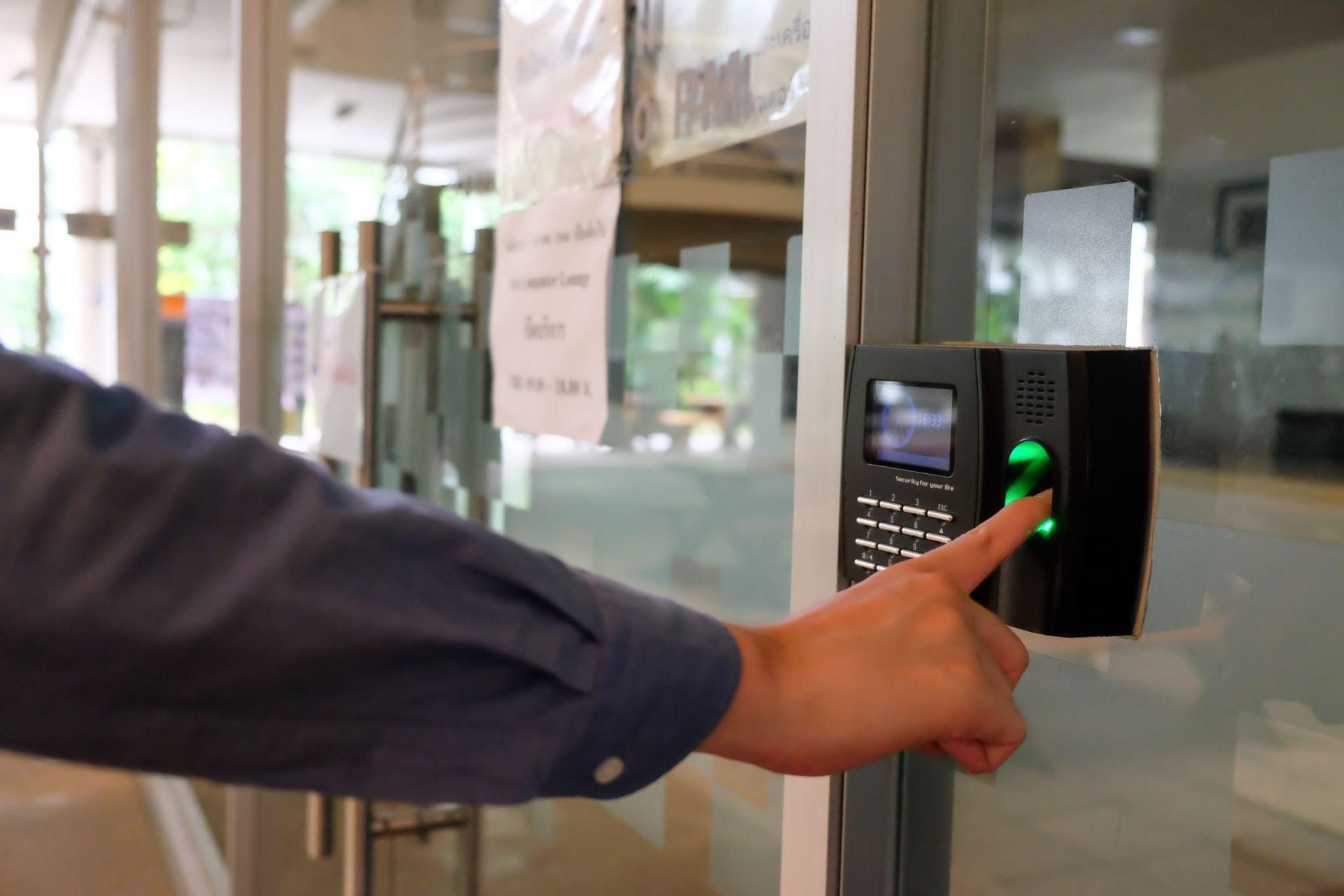
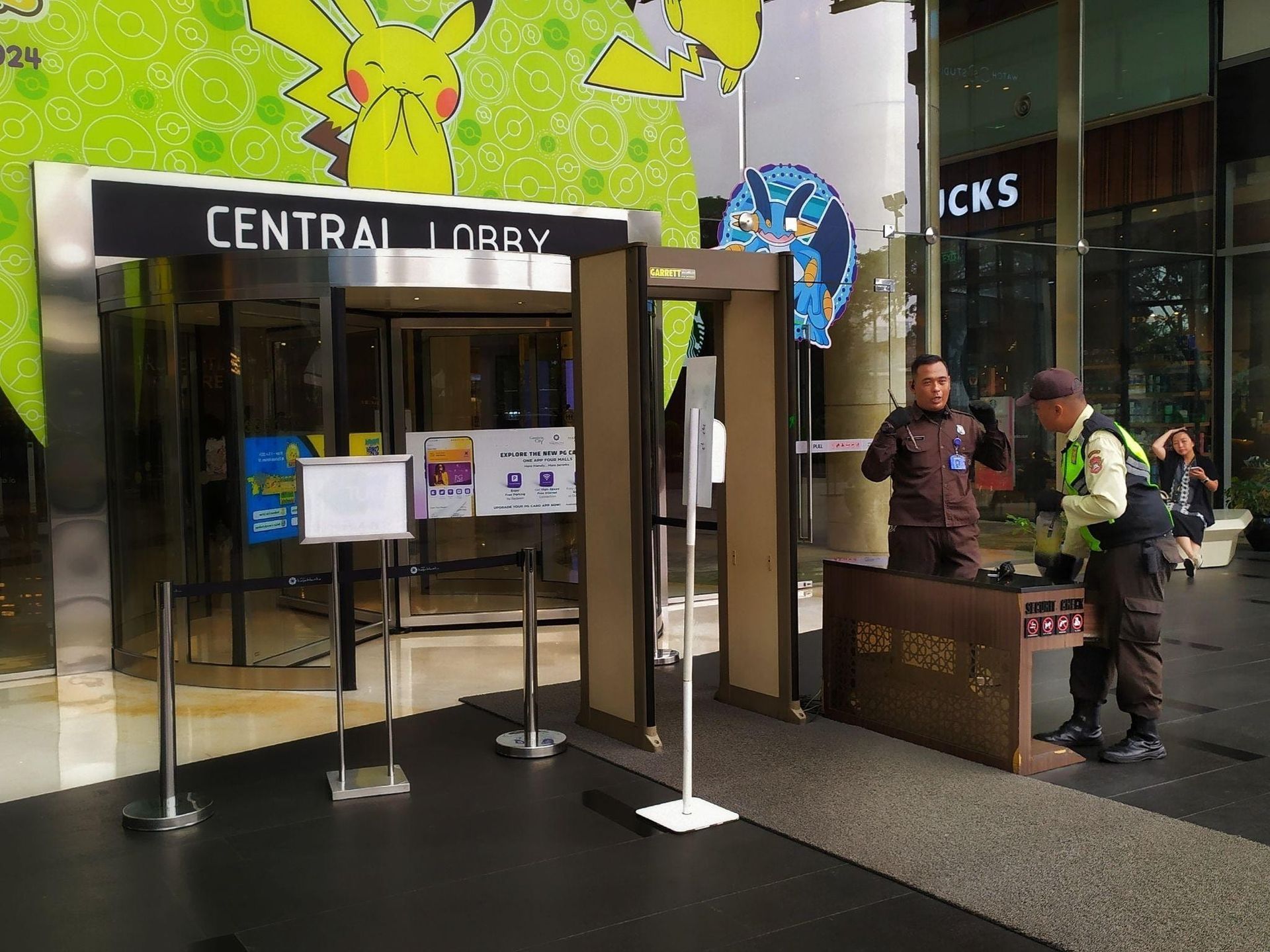
Access control has come a long way from handing out keys, but it's still surprisingly easy for gaps to appear. As a few common examples, someone might hold the door open for a colleague they don't recognise. A contractor could keepyesterday's access pass, or an employee leaves their role, but their credentials remain active. Individually, these don't seem like major issues, but together they create exactly the sort of weaknesses that attackers look for.
Regular security risk assessment processes help identify these blind spots before they become security incidents, making ongoing facility risk management less about reacting and more about constantly fine-tuning who can access what. This is particularly important for
high-volume, high-asset site maintenance, where large numbers of staff, contractors and deliveries create countless opportunities for access vulnerabilities if permissions aren't regularly reviewed.
Staff Safety Has Become a Security Issue
Ask almost any
facilities maintenance manager today what keeps them awake, and physical break-ins probably aren't at the top of the list. Increasingly, it's the unpredictable interactions happening inside the building.
For healthcare workers, it might be dealing with distressed patients. Reception staff have to manage frustrated visitors. And retail employees may be confronting shoplifters in the absence of
retail security. It’s these interactions between staff and the public that are a real threat. These situations have pushed healthcare facility risk management and broader workplace security into closer alignment than ever before.
Rather than simply deploying
security guards, organisations are combining duress alarms, monitored response systems, better incident reporting and staff training to ensure people can get help quickly without escalating already tense situations.
CCTV Is Still Important... But It Can't Do Everything
A huge misconception in commercial security is that installing more cameras automatically means better protection. In reality, footage is often only useful after something has already happened. This is partly why modern
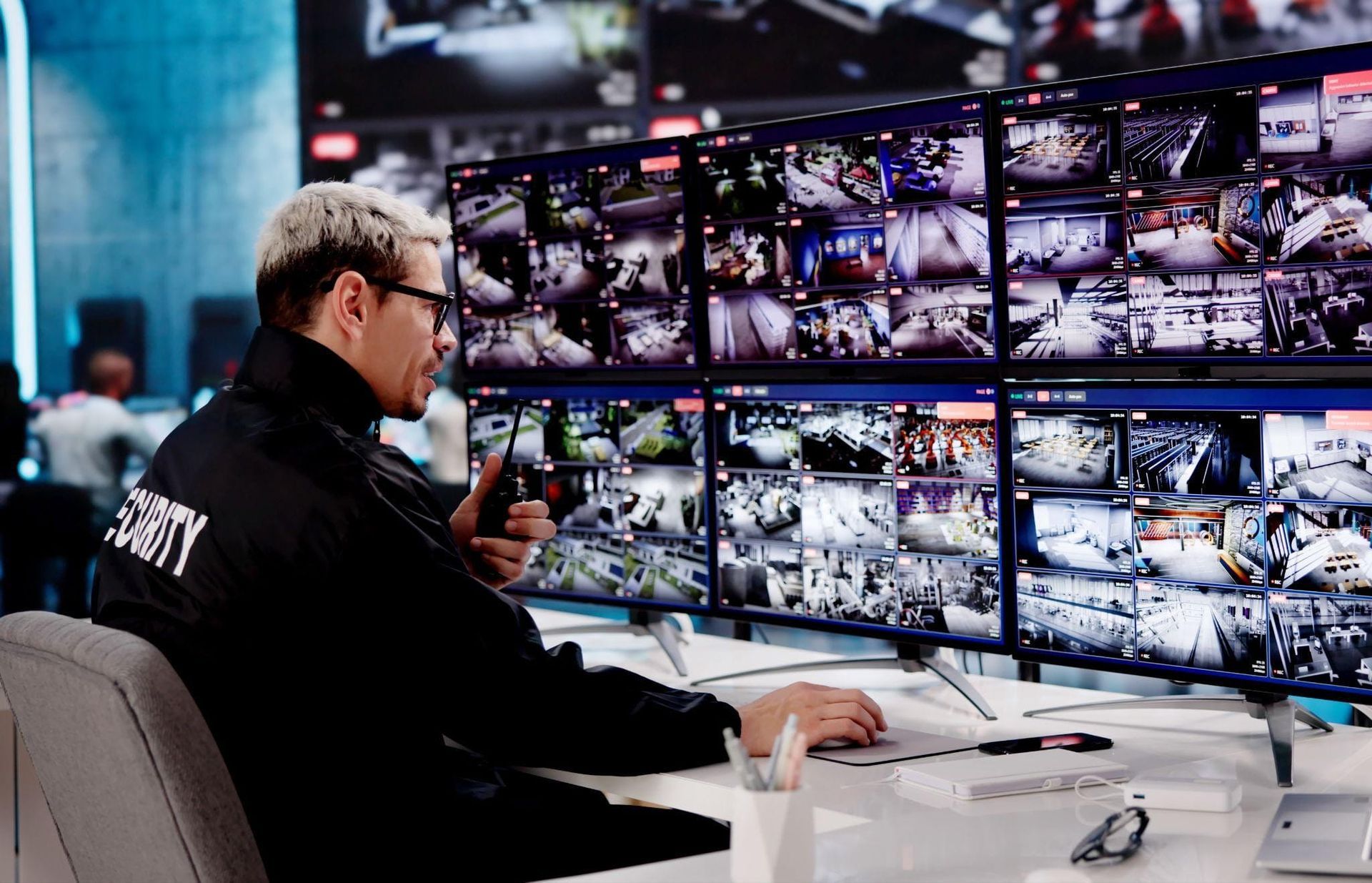
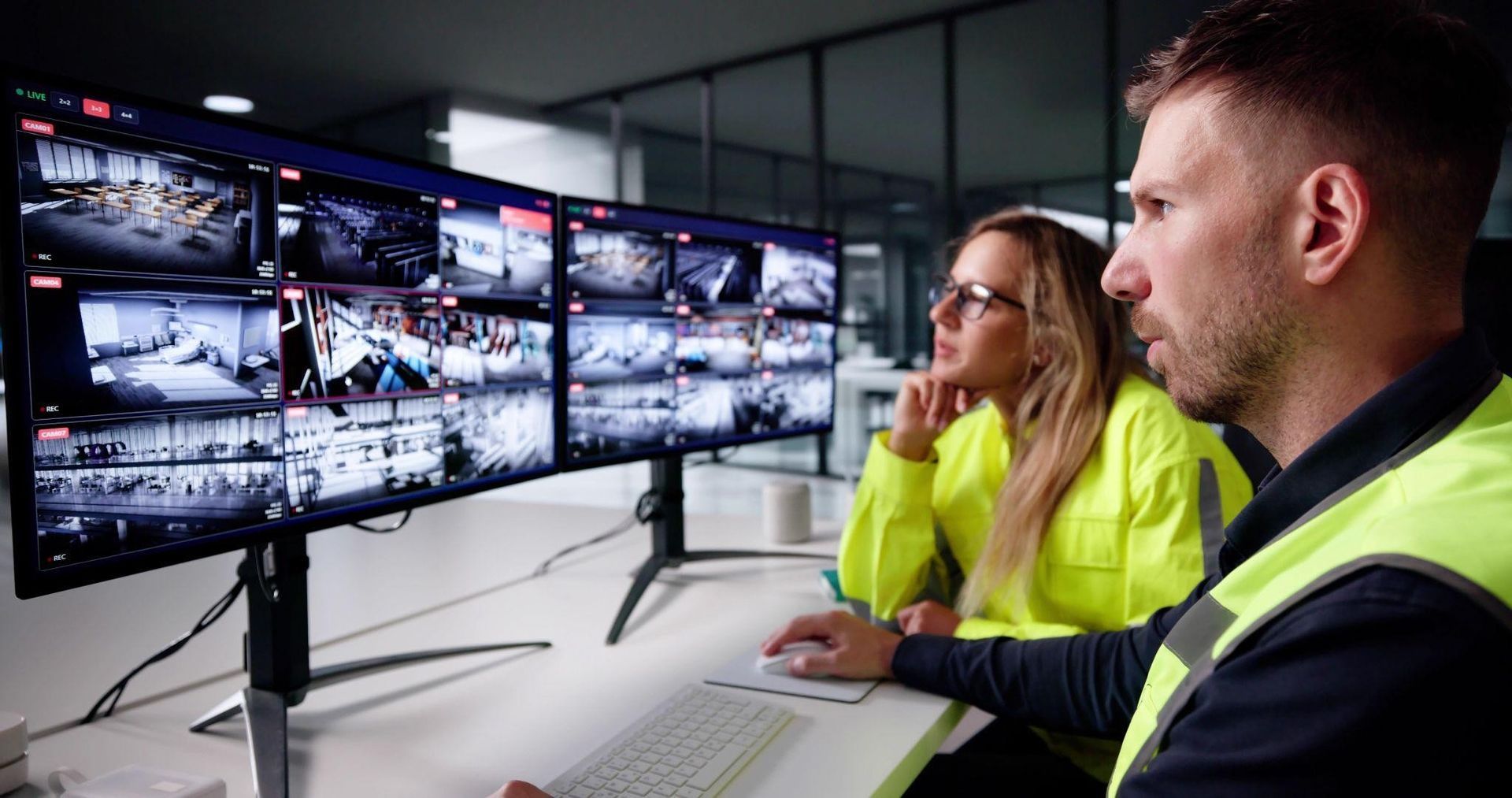
commercial security solutions are increasingly built around layered protection, with cameras working alongside monitored alarms, controlled access, better lighting, trained personnel and real-time monitoring to discourage incidents before they occur.
This layered approach is especially valuable across
industrial and warehousing
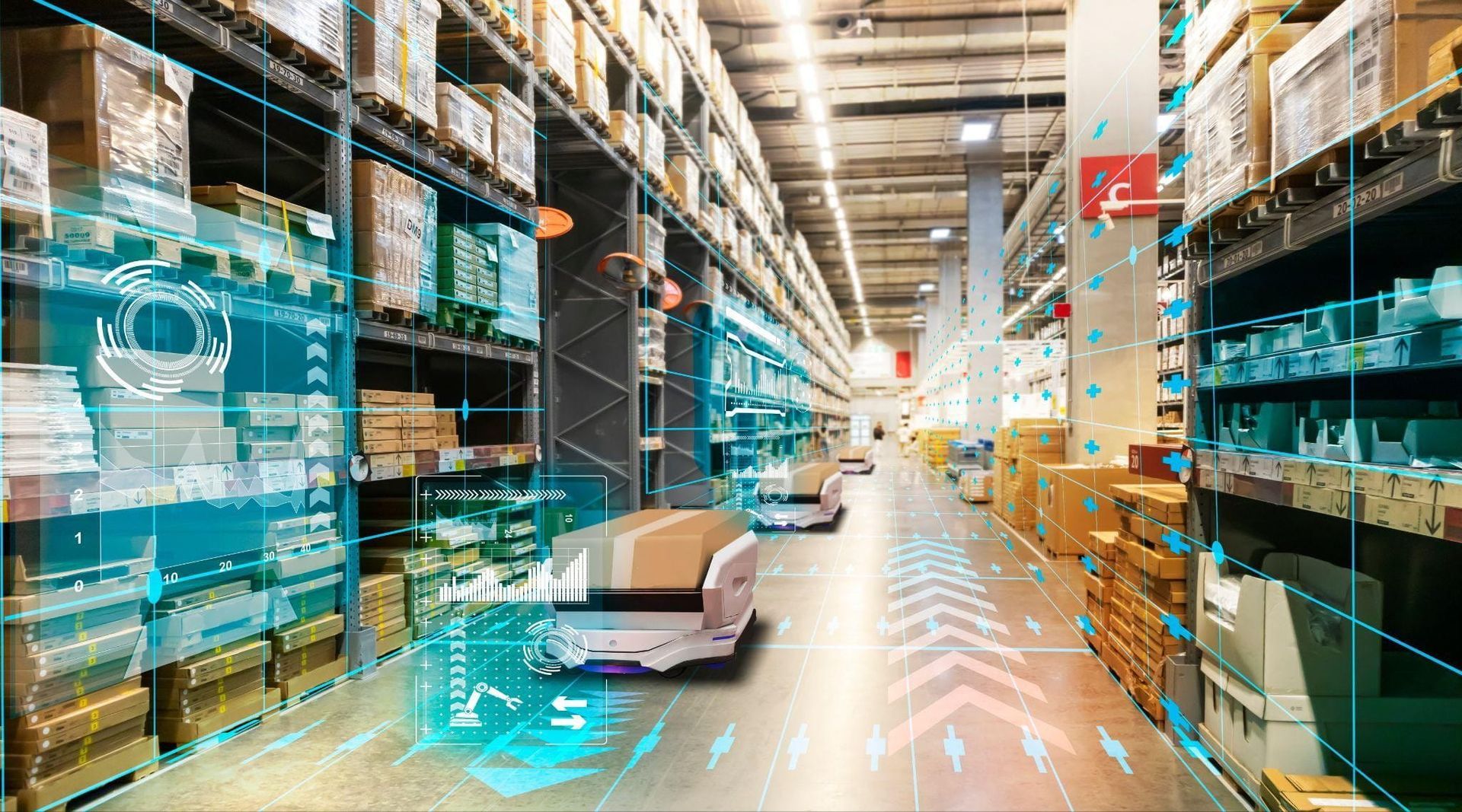
environments, where expansive floorplans, valuable inventory, vehicle movements and multiple entry points make relying on
CCTV installation alone a risky strategy. It's a subtle but important difference. Prevention has become far more valuable than simply collecting evidence.
Physical Security Is Going Digital
Looking at physical security today, it’s not super helpful to just think about people climbing over a fence or walking through into the space. Today's buildings are full of connected technology, with access control systems managed remotely, CCTV is viewed through mobile apps, visitor management systems sync with cloud platforms and even intercoms now operate across networks.
The convenience is undeniable, but every connected device also introduces another potential vulnerability because of its potential hackability. This convergence is one of the defining physical security trends 2026, forcing security teams and IT departments to work far more closely than they did only a few years ago. To put it simply, protecting buildings increasingly means protecting the technology that controls them.
Speed Matters More Than Ever
Most incidents are now defined by how quickly someone notices and responds, because delayed responses often create larger problems than the original event itself. That's why effective facility risk management increasingly focuses on detection, communication and coordinated response rather than simply installing more hardware.
Why "Set and Forget" Security Doesn't Work Anymore
As buildings evolve, staff change, contractors come and go, and business operations expand, security, however, often gets left exactly where it was five years earlier. Many facilities continue relying on outdated cameras, unmanaged access permissions or disconnected systems that individually perform well but collectively leave dangerous gaps.
The facilities that are adapting are reviewing their risks more often and updating their
security system installation as needed. This might include conducting regular workplace security assessments and security audit processes, updating procedures as their operations change and treating security as something that evolves alongside the business.
Increasingly, these reviews also include assessing whether existing
electronic security systems, from access control to CCTV and alarm monitoring, still align with how the facility actually operates. Because in 2026, the real question is whether security still matches the way your business actually operates.
The Future is in Layered Security
As mentioned, perhaps the biggest shift happening across the industry is that organisations are viewing facility security as something that needs layers in order to combat the variety of risks present. This looks like experienced personnel supporting intelligent technology, CCTV working alongside monitored alarms, access control integrated with
video intercom and visitor management and emergency procedures backed by real-time communication. That also means ensuring visible deterrents remain part of the strategy.
Regular
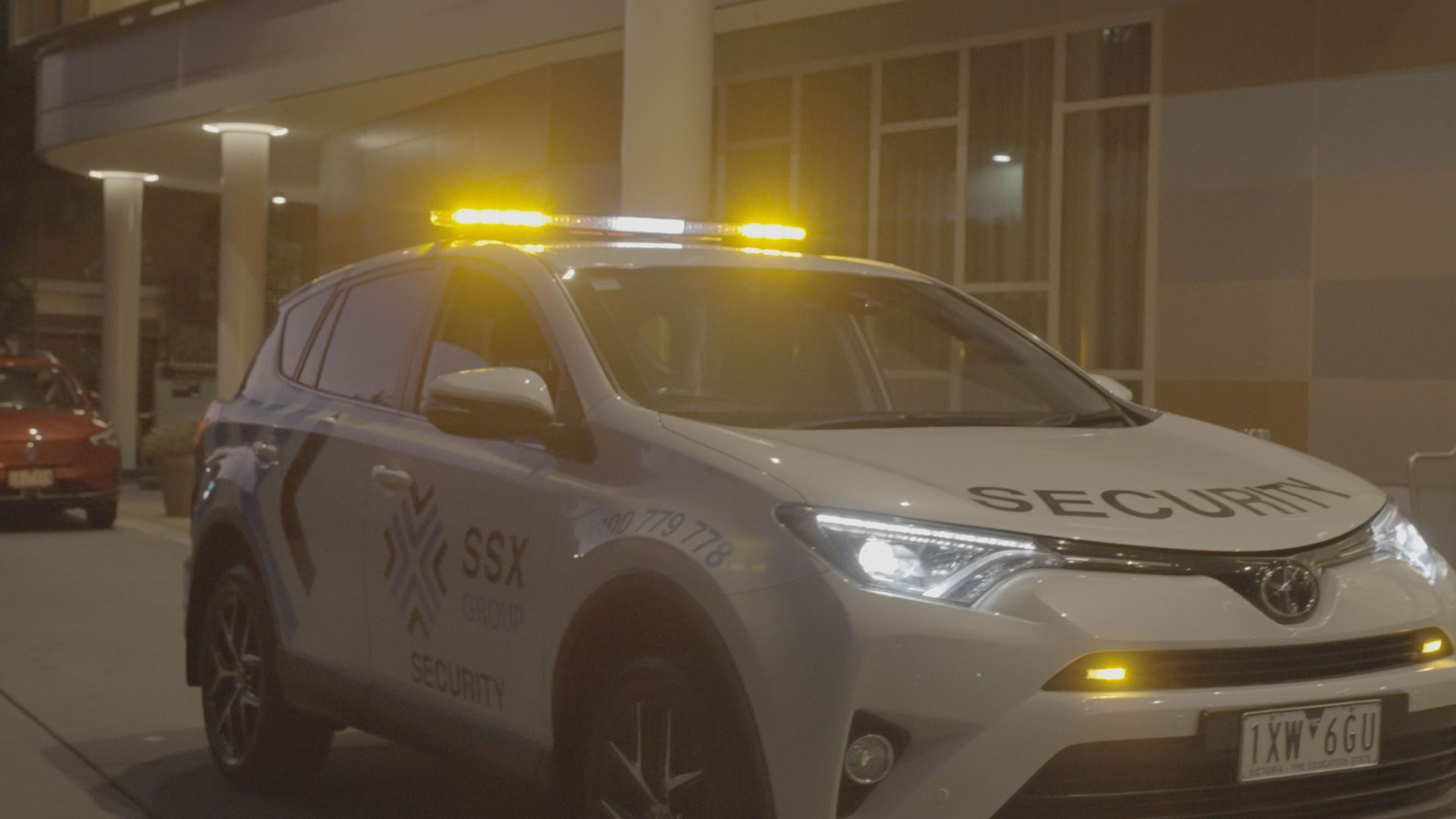
security patrols still play a pivotal role by providing rapid incident response, checking vulnerable areas and giving staff confidence that trained personnel are available when situations escalate. It's this layered approach that's shaping the future of facility security. For those wanting to orient towards proactive facility management, that combination delivers something every facility is ultimately chasing: greater confidence that when something unexpected happens, the right systems, the right people and the right response are already in place.
Key Takeaways
Today’s risks have evolved from 10, five or even two years ago, and whether it's protecting office complexes, healthcare facilities, logistics hubs or
commercial building security across multi-tenant sites, it's important ot recognise that no single solution is enough. Resilience, instead, comes from combining people, processes and technology into one integrated security strategy.
SSX Group works with organisations to strengthen facility risk management through integrated guarding, technology and operational support. The facilities that will thrive beyond 2026 will be the most prepared, so
get in touch to talk about your protection today.