A Corporate Guide to Tailored Security Patrol Solutions
Many corporate companies, while often operating in a physical space, are spread far and wide with a personnel and digital reach that is hard to track. That’s why corporate security is rarely as simple as locking the doors at 5 pm and calling it a day. Offices can sit empty overnight, employees may arrive before sunrise, tenants come and go at different hours, and large sites can have plenty of blind spots.
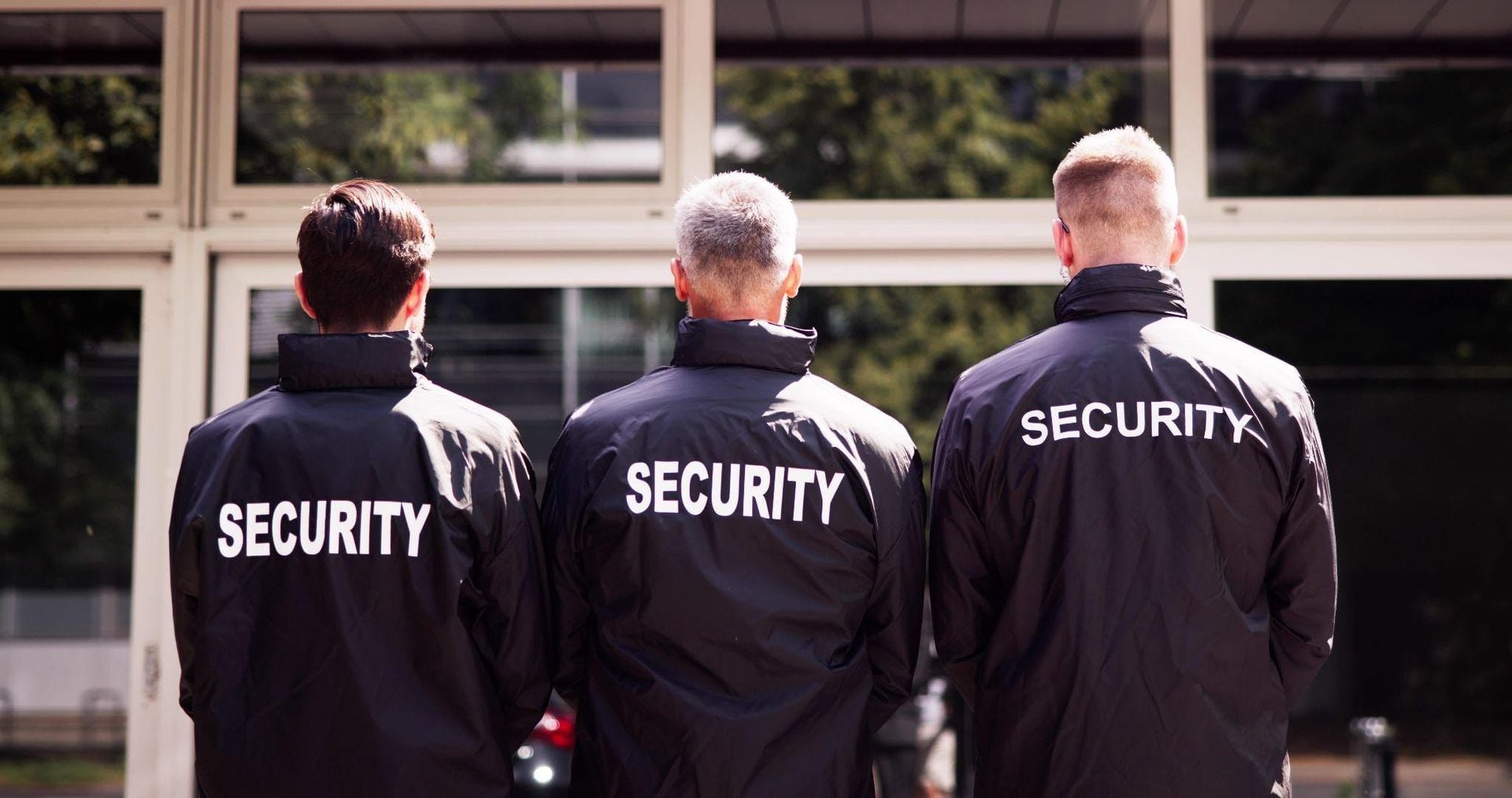
Things like cyber security and access control are key, of course, but something not considered as often for this environment is tailored security patrol solutions. Instead of applying the same schedule to every property, security patrols can add a routine layer of defence from expert eyes. With licensed professionals, local coverage and clear reporting, a tailored patrol plan can give businesses greater confidence without requiring guards to be permanently stationed on site.
Here at SSX Group, we’re driven by finding and applying the best integrated security solutions on a case-by-case basis. Here’s why security patrols are criminally underrated when it comes to corporate clients.

Why Corporate Sites Need Tailored Patrols
As mentioned, the corporate footprint is rarely just the office space. Alongside this, as businesses grow, their risk profile evolves alongside them. Corporate sites need tailored patrols because risks, layouts, movement of staff and clients and operating hours vary significantly between properties and from one company to another. A standard schedule can also leave predictable gaps that opportunistic criminals may learn.
Common concerns include:
â—Ź After-hours break-ins
â—Ź Vandalism and property damage
â—Ź Unauthorised access and tailgating
â—Ź Suspicious activity around entrances
â—Ź Car park incidents
â—Ź Unsecured doors and vacant areas
â—Ź Employee and tenant safety
There is also a wider duty of care to consider. Security is one part of creating a workplace where employees, visitors and tenants can feel safe. For many organisations, security patrol providers for corporate clients offer a practical middle ground between leaving a site unattended and maintaining a permanent guard presence.
What Should Corporate Security Patrol Services Be Integrated With?
The right patrol plan combines services according to what your property actually needs. Patrols can also complement broader security services, especially where a business already has CCTV, access control or alarm monitoring. So security patrol providers for corporate clients should be looking at other fundamental security measures that are needed and then scale coverage around your site's operating hours and risk profile.
Mobile Security Patrols
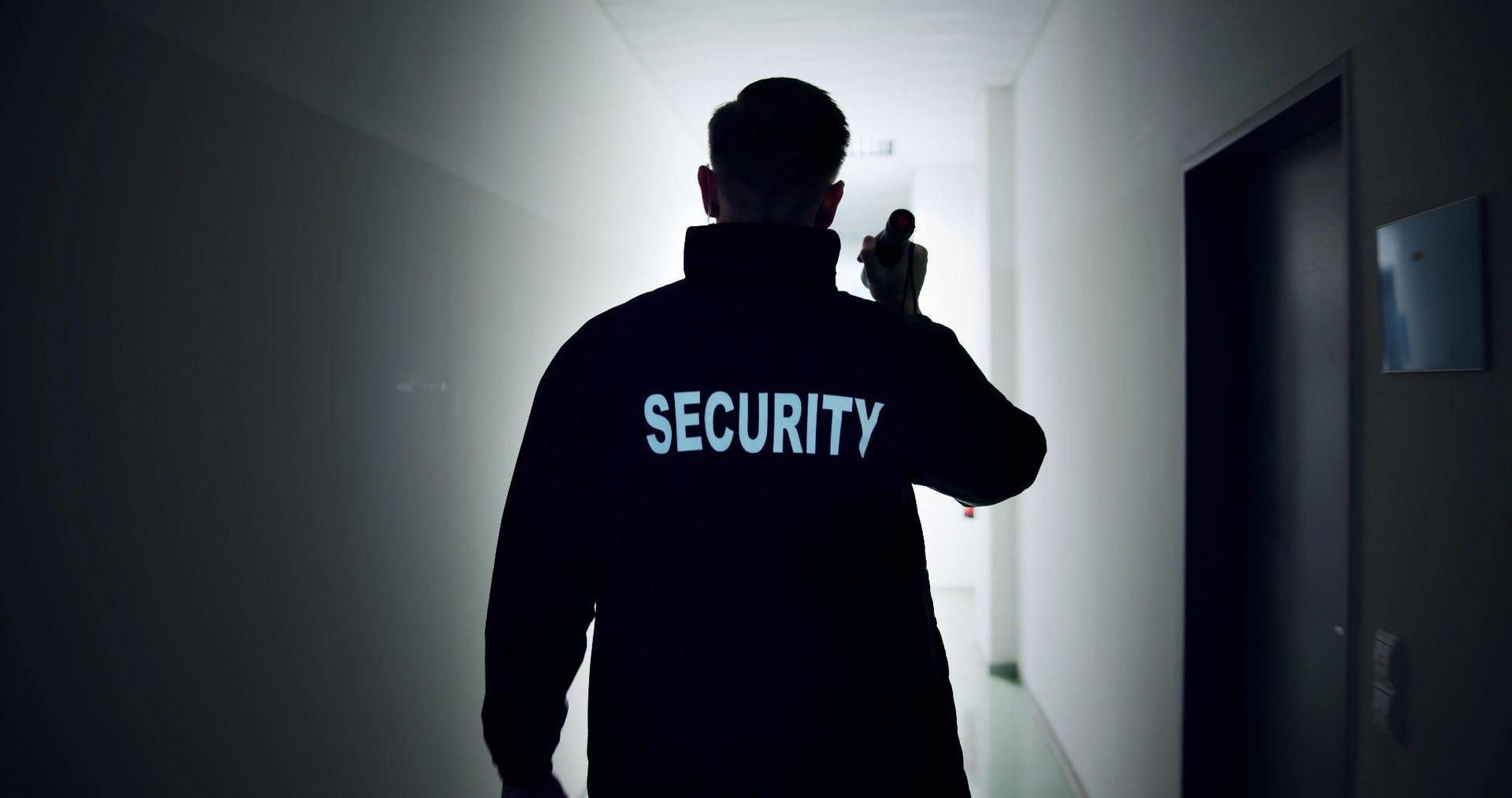
Mobile patrols do many things, but one of the main benefits is providing a visible security presence without requiring a permanent guard. Visits can be randomised, with officers checking doors, gates, perimeter areas and other agreed points. Patrols can also include lock-ups and unlocks at the beginning and end of the working day.
Static Guard and Concierge Security
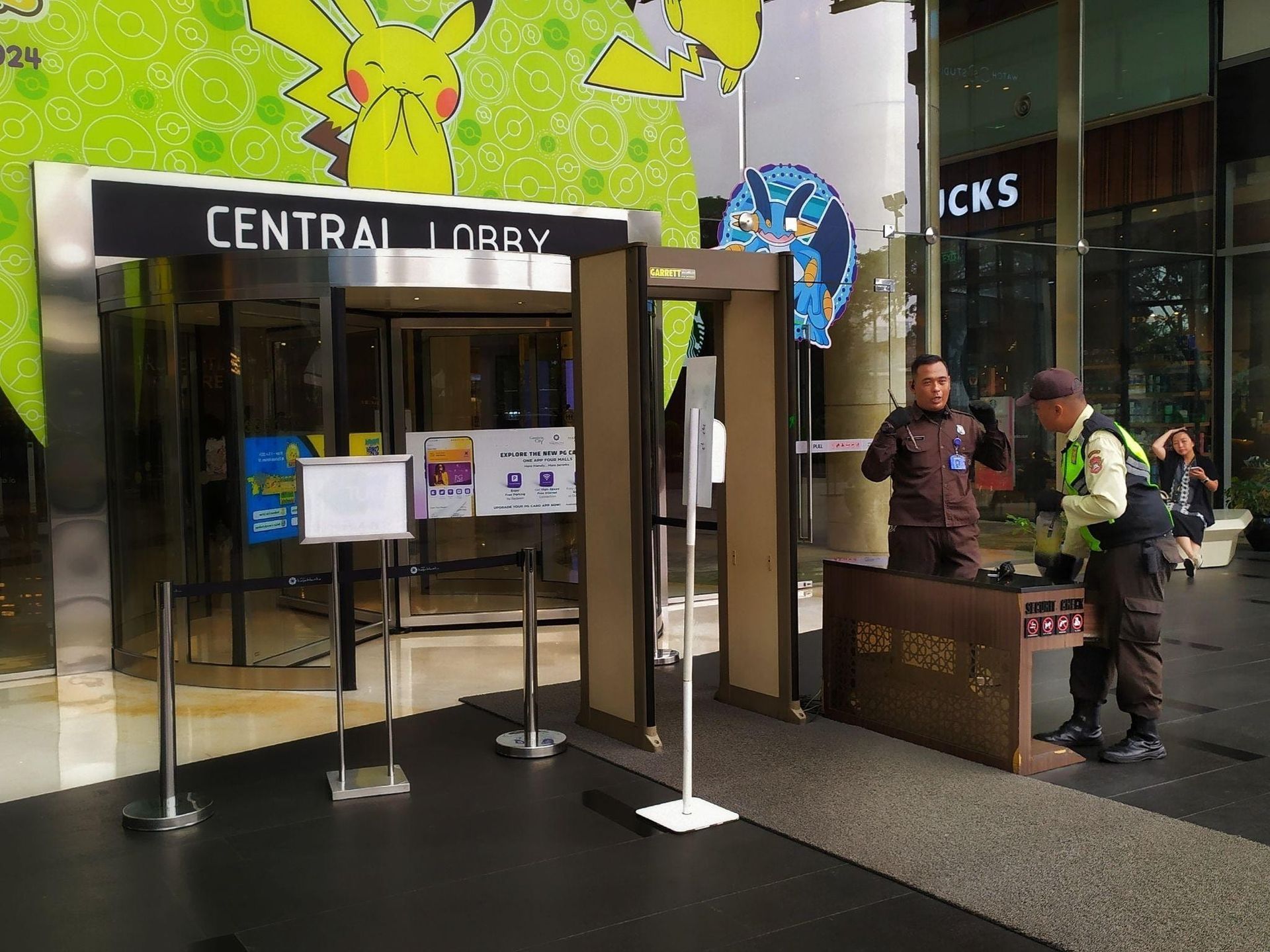
Some locations need a person physically stationed at reception, a lobby or access point. Security guards can monitor visitors, manage access, assist employees and respond to issues as they happen.
Alarm Response Patrols
When an alarm is triggered, having a rapid response team by your side can help determine what is happening and escalate the situation where necessary. Key holding and agreed response procedures can also streamline alarm management.
After-Hours and Weekend Patrols
Security risks, on many occasions, are heightened when the working week ends. Evening, overnight and weekend patrols can focus on periods when your property is most vulnerable.
Car Park and Perimeter Patrols
Large corporate properties often have more ground to cover than people realise. Car parks, loading areas, fencing and external plant can all require attention.
Event and Executive Security
For important corporate events, VIP visits or executive functions, additional security can be arranged for access management, crowd control and personal safety.
Mobile Patrol vs Static Guard vs Alarm Response
As not every site needs the same level of physical presence, many businesses find combining services provides the strongest result. Security patrol providers for corporate clients can help determine which combination makes sense based on your risk profile.
Here’s a comparison table.
| Service | Cost basis | Best for | Coverage |
|---|---|---|---|
| Mobile patrol | Per visit or scheduled service | Large sites and after-hours protection | Multiple areas |
| Static guard | Hourly | High-traffic locations | Continuous on-site presence |
| Alarm response | Per response/service agreement | Unoccupied premises | Targeted response |
How to Build a Patrol Plan
A good patrol plan starts with the property and how your business operates as a whole. It really shouldn't come from a generic template. Here’s a simple guide.
1. Conduct a Site Risk Assessment
Your provider should assess the property, entrances, perimeter, lighting, access points, operating hours and known vulnerabilities. Then they should work with a manager who understands how the business operates, who has access to what and how many visitors you receive in a given week.
2. Design Patrol Frequency and Routes
Patrol times and routes are then built around your site's risk profile. Randomised visits can make activity less predictable, but they can be coupled with routine visits at higher-risk times.
3. Allocate and Induct Guards
Officers should receive a site-specific induction covering procedures, access points and escalation protocols. They’ll understand vulnerabilities and be informed on a plan of response in the case of an incident.
4. Set Up Live Reporting
GPS checkpoints, incident reports and digital records provide visibility over completed patrols and anything identified. This also helps you identify vulnerabilities and risks so patrols can be more effective.
5. Review and Adjust
Monthly reviews then allow patrol frequency, routes and procedures to change as your business and property evolve.
Technology That Backs Every Patrol
Technology does not replace physical security, but it can make patrols more accountable and responsive. Modern security patrol providers for corporate clients can use GPS tracking, digital incident reporting and client portals to provide greater visibility.
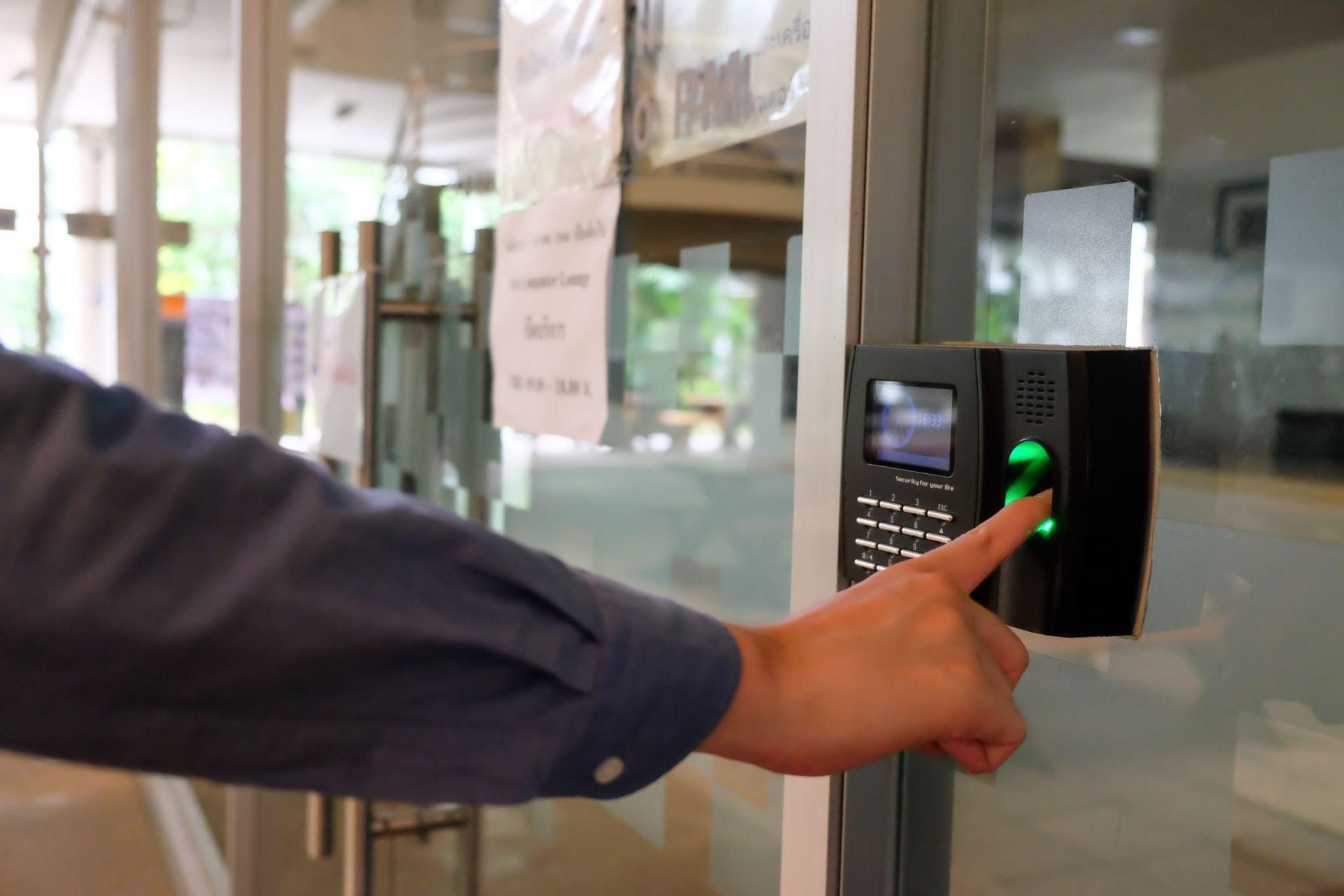
Patrols can also work alongside electronic security, including CCTV, alarms and access control. An integrated security system can bring these technologies together, while technology enhancing physical security gives guards better information when responding to an incident. For larger organisations, combining 24/7 surveillance with physical patrols can provide coverage both when officers are present and when they are not.
How SSX Works With Corporate Clients
When it comes to corporate clients, the aim is straightforward: provide security for commercial buildings that work alongside your existing operations. Corporate clients need a security provider that offers a service that is measurable, responsive and easy to manage. At SSX, our approach includes:
â—Ź Licensed and vetted guards
â—Ź Dedicated account management
â—Ź Flexible contracts
â—Ź Fast response times
â—Ź Local teams
â—Ź Transparent reporting
For businesses managing multiple properties, a coordinated approach across integrated commercial buildings can also work alongside cleaning, maintenance and facilities maintenance arrangements. The smart investment of security patrols is about putting the right level of protection in the right places at the right times.
Get a Custom Patrol Quote
Your security plan should reflect your property, your people and your actual risks. It might look like a mix of mobile patrols, alarm response, perimeter checks or a combination, but whatever it is, make sure your partner understands your business and risks. can build a solution around your business.
Get in touch with SSX Group for a site assessment and tailored quote. We offer security patrol providers for corporate clients of all shapes and sizes, starting by discussing your requirements, recommending an appropriate patrol structure and outlining the next steps.
Frequently Asked Questions
How much do corporate security patrols cost?
Pricing depends on property size, patrol frequency, location, risk level and the services required. A site assessment is the best way to receive an accurate quote.
How often should a security patrol visit my site?
There is no universal answer. Some sites may need several visits overnight, while others may benefit from randomised checks at key times.
What's the difference between mobile patrols and static guards?
Mobile patrols provide scheduled or randomised visits, while static guards remain at the property for an agreed period. The right option depends on your site's risks and operating requirements.
Are your guards licensed?
Licensed officers should meet the relevant state or territory requirements. SSX can provide applicable licence and accreditation details during your consultation.
Can patrols be scheduled around our business hours?
Yes. Patrols can be structured around opening hours, staff departures, weekends, overnight periods and other higher-risk times.
What happens if a guard finds an incident?
Officers follow the agreed escalation procedure, document the incident and contact the appropriate person or emergency service where required.
Do you provide patrol reports?
Yes. Digital reporting can provide details like patrol times, GPS checkpoints, observations and incidents identified during a visit.
How quickly can you start?
Start times depend on the site assessment, service requirements and location. Contact us to discuss your requirements and availability.
The post A Corporate Guide to Tailored Security Patrol Solutions first appeared on SSX Group.

Dallas Varney
Dallas Varney provides the strategic vision and operational command that underpin SSX Group’s growth and market credibility. A former member of the Victoria Police Special Operations Group (S.O.G.), Dallas brings elite tactical experience to the corporate environment, translating high-pressure decision-making into commercial strategy, risk leadership, and operational performance.