What Is 24/7 Surveillance?
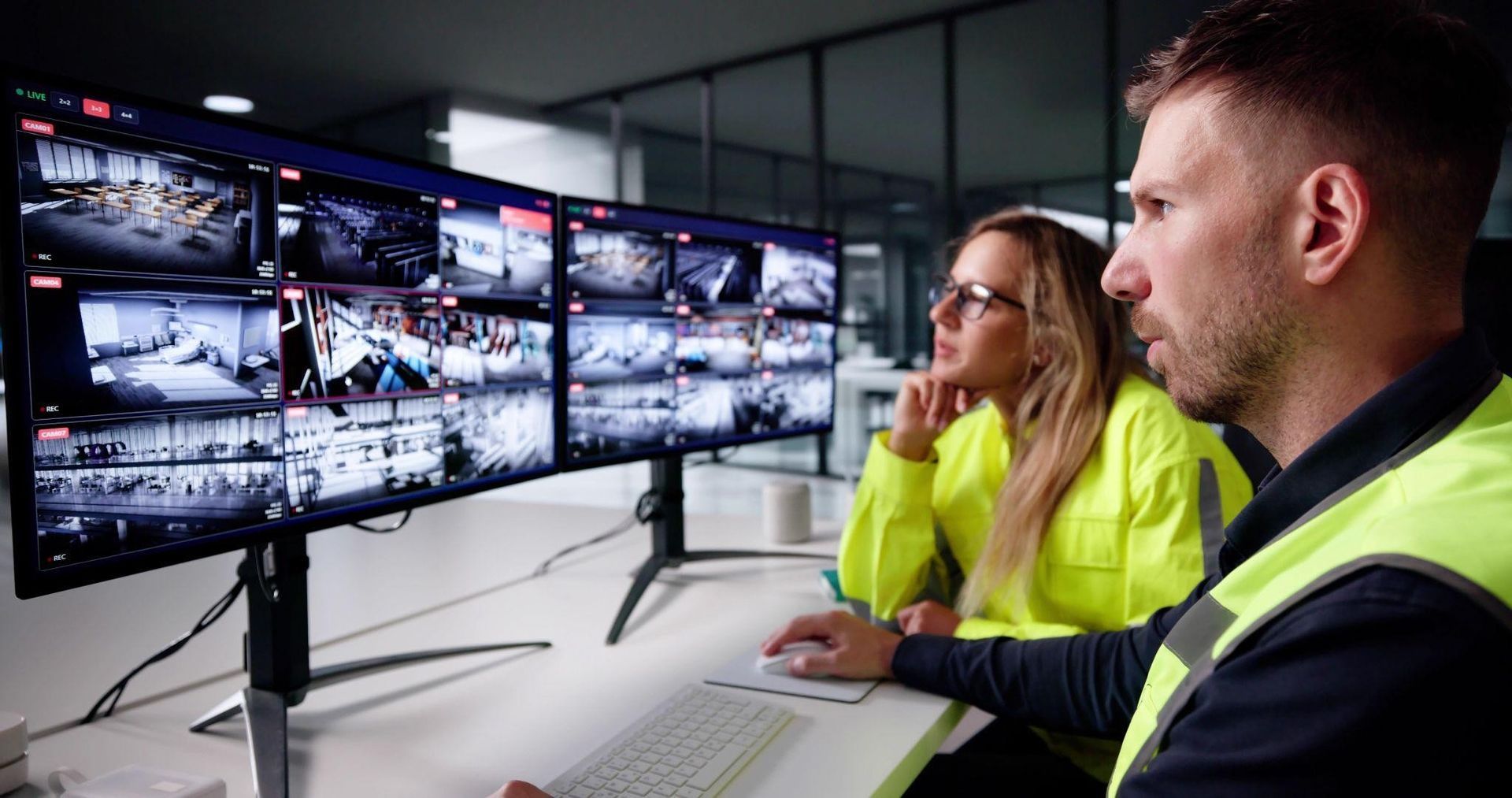
In super short terms, 24/7 surveillance means security systems operate continuously rather than only during business hours. A 24/7 surveillance camera can capture activity during the day, overnight, on weekends and public holidays. But the camera and recording play just one part. They also enable professional, around-the-clock monitoring, with trained monitoring personnel reviewing camera feeds and alerts.
Depending on the system and agreed procedures, suspicious activity may trigger audio intervention, contact with designated personnel, a security response or escalation to emergency services. That is very different from discovering an incident the next morning.
CCTV can contribute to crime reduction for commercial buildings, although its effectiveness varies by environment and deployment. CCTV tends to work better when actively monitored and combined with other interventions. In other words, how that technology is used matters just as much as whether it exists in the first place.
The Real Advantage Is Time
When something goes wrong at a commercial property, time is the most valuable resource because an intruder can force open a door in seconds or someone can take expensive equipment within minutes.
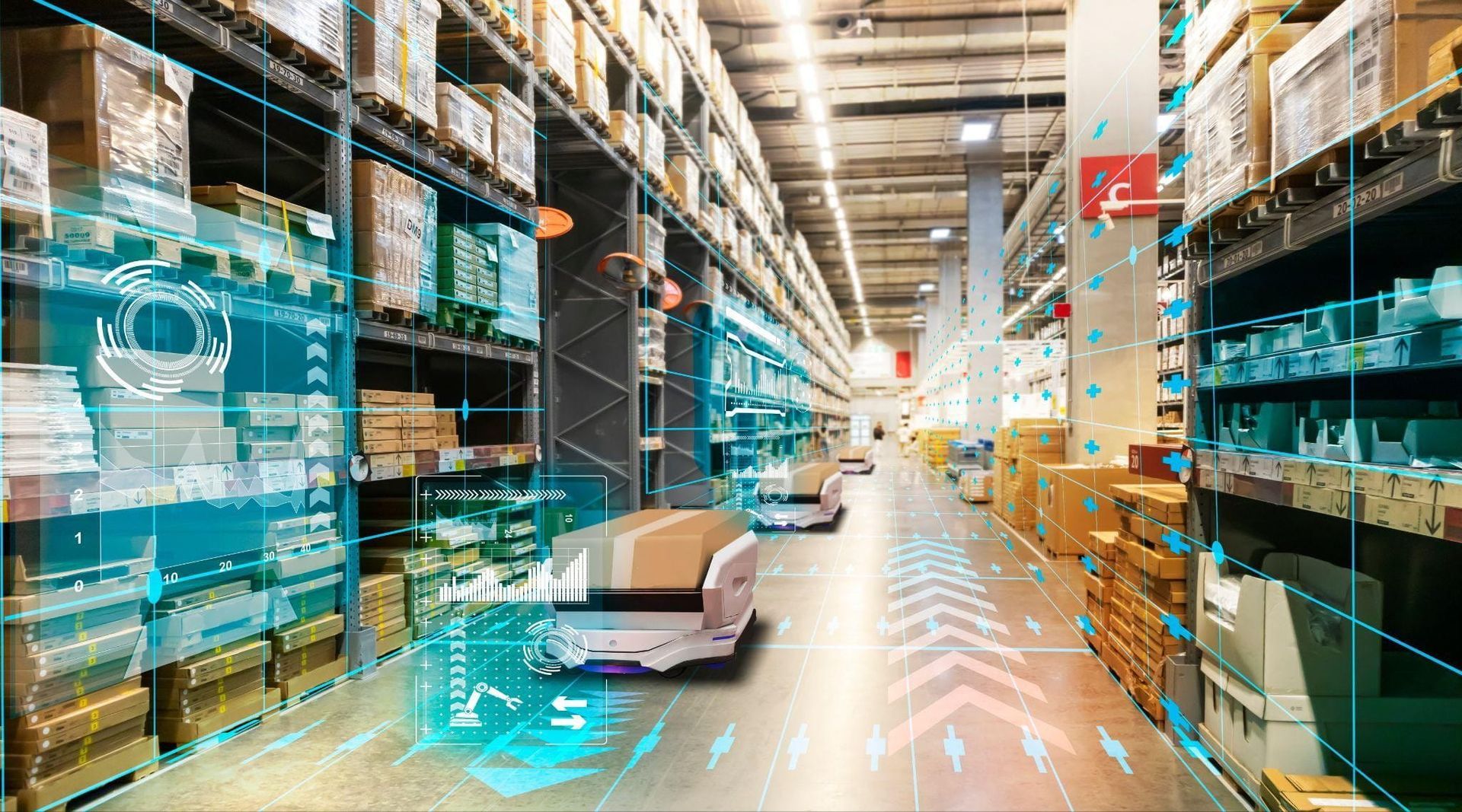
A 24/7 surveillance camera acknowledges these risks and reduces the time between an incident occurring and somebody becoming aware of it. Consider a warehouse after closing time. An employee might discover a broken door at 7 am, but an intruder could have had several hours to move through the premises. With continuous monitoring for industrial and warehousing facilities, this activity is detected much earlier. The objective, here, is to shorten the gap between detection and response, which is what crime prevention is all about.
A Deterrent Before An Incident Happens
Let’s dive into surveillance's role in prevention. Visible cameras and signage can signal that a property is being monitored. It signals a security presence, and that in itself is often enough to make intruders think twice about the risks because your business is no longer an easy target.
Of course, putting up a camera won’t make your property crime-proof, but security works partly by changing the environment around a potential offender. A well-designed system can make it harder to approach a property unnoticed, move around undetected or leave without being identified. 24/7 surveillance can work well as part of broader security services, rather than as an isolated piece of equipment.
Surveillance Can Help Beyond Theft
Be careful of falling into the trap of associating surveillance exclusively with burglary because businesses face more than one type of security incident. Depending on the equipment installed, monitoring systems may assist with identifying unauthorised access, suspicious movement, vandalism and other unusual activity. Some businesses can also integrate surveillance with alarm and environmental monitoring systems.
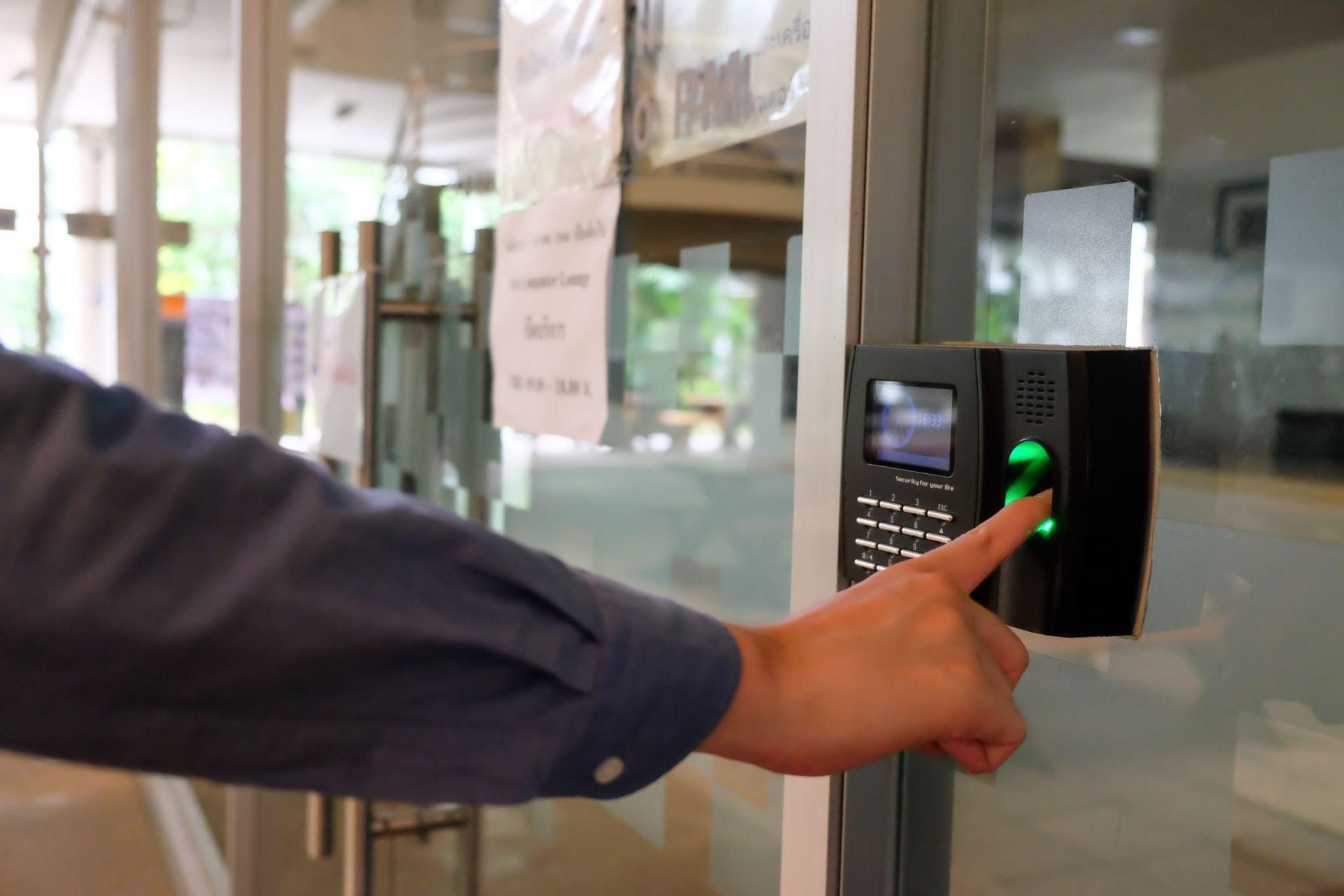
For instance, an unusual event can potentially be assessed alongside access-control information and alarm activity. Instead of treating every alert as an isolated event, security personnel can build a clearer picture of what is happening. With an integrated security services approach like this, different security technologies and human responses come together for a stronger, deeper defence.
There is a knock-on effect of theft and crime like this, because business operations often get interrupted or valuable capital has to go to replacing expensive equipment. Even things like facilities maintenance can become more complicated when repeated vandalism or unauthorised access causes ongoing damage.
Then there are the reputational benefits. Customers may never see a security camera, but they may notice the consequences when a business experiences repeated theft, vandalism or disruption. A damaged storefront doesn't inspire confidence. Neither does an incident that leaves customers unable to access a service or employees unable to work normally. That is why security is tied to maintaining your brand image. Protecting the physical environment in which a business operates can contribute to a more reliable and professional customer experience.
Combining People And Technology
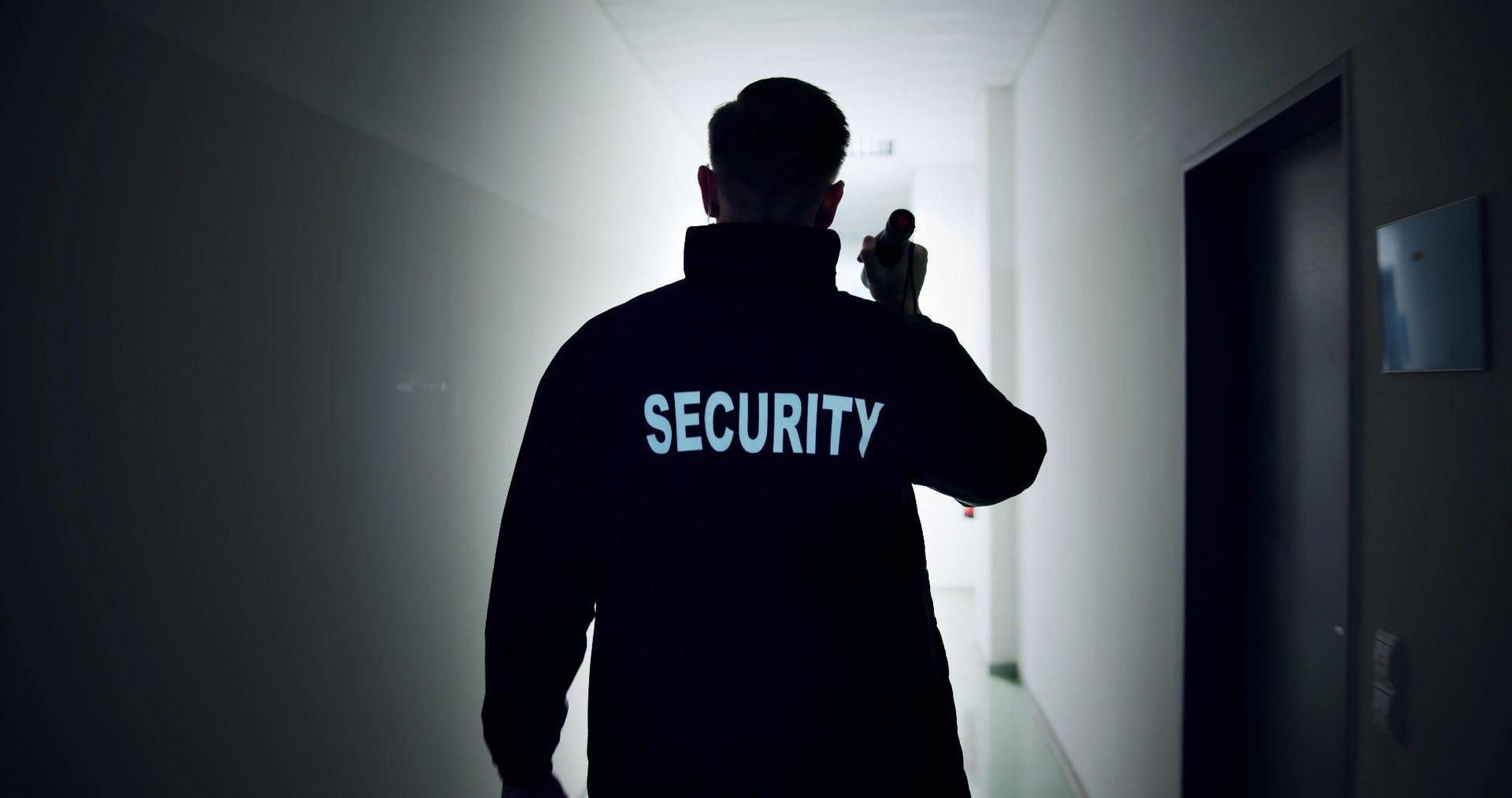
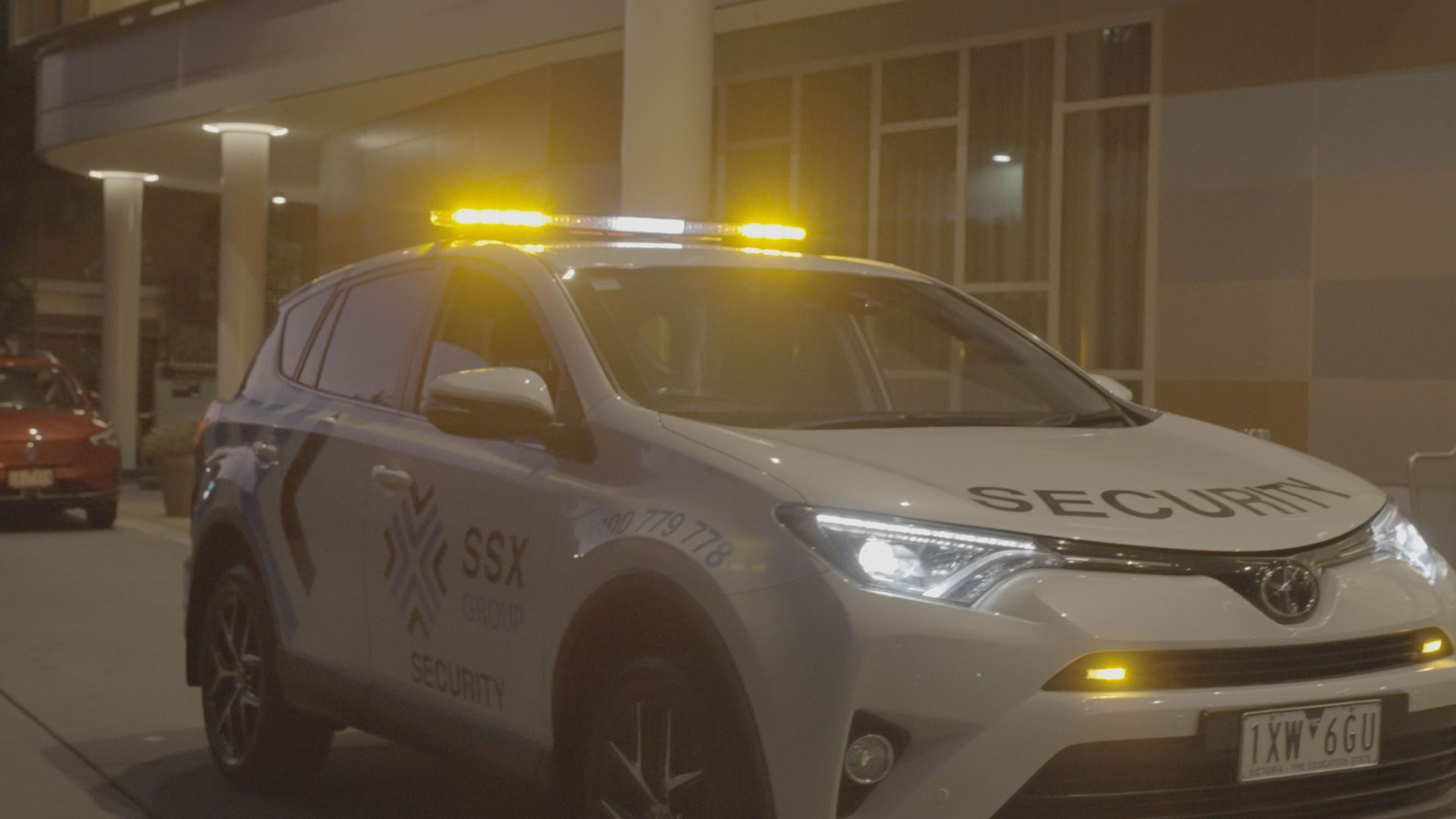
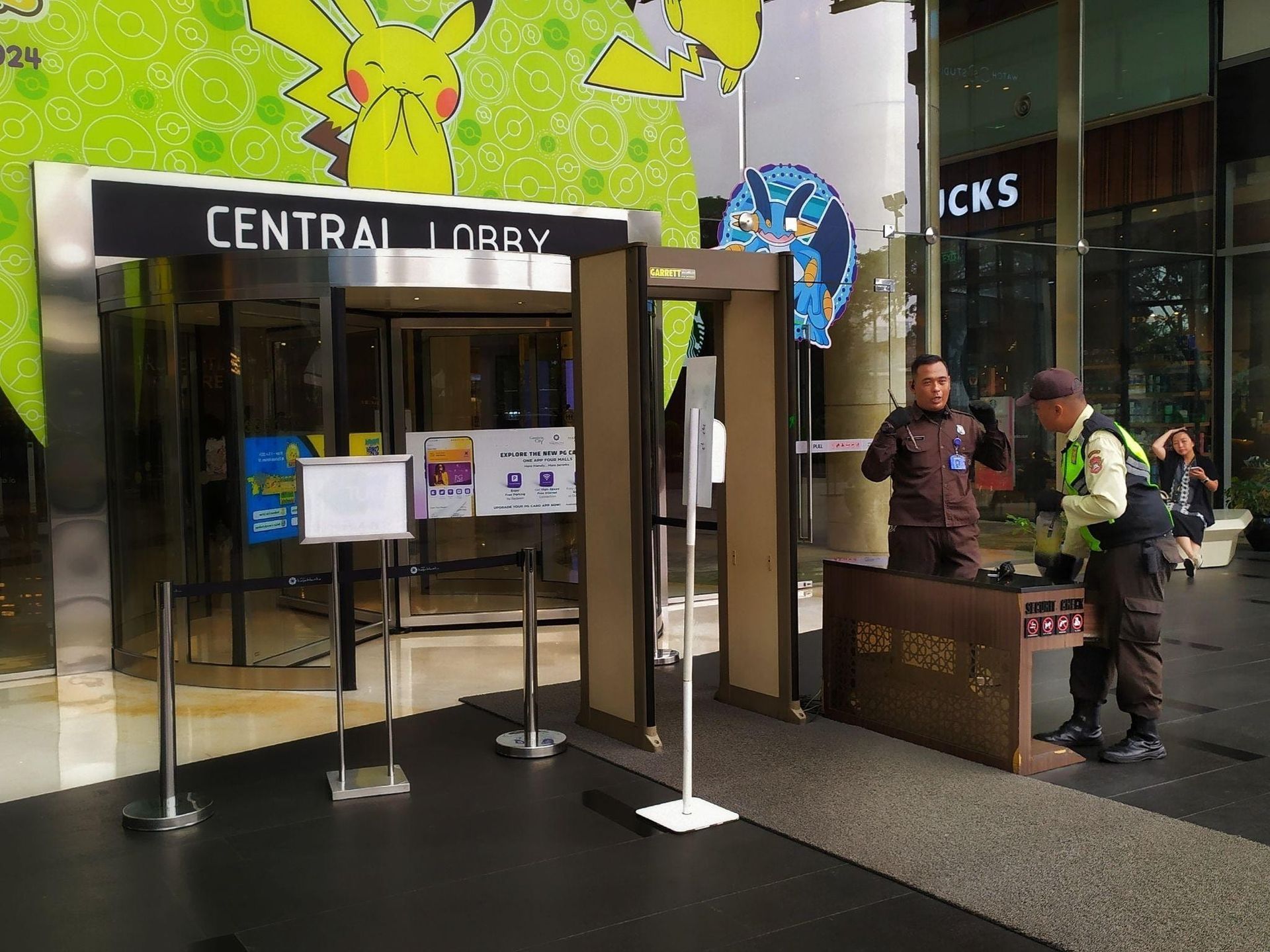
There is sometimes a false choice between technology and people. It's either cameras or security guards, either alarms or security patrols. But really, different layers can work together exceptionally well. Let’s say a camera identifies activity; a monitoring centre can then assess it, a mobile patrol can attend the site, and access control can restrict movement in the first place.
Because each layer addresses a different part of the problem, businesses should treat electronic security as one component of a broader strategy, not a standalone solution.
For some properties, physical personnel may still be appropriate. For others, remote monitoring may provide a practical way to maintain visibility without having security guards permanently stationed on site. The right balance depends on the property, operating environment and level of risk.
So, Is 24/7 Surveillance Necessary For You?
Each site is different, and every business needs a bit of a nuanced implementation of integrated security. To simplify it, 24/7 surveillance cameras provide visibility, while monitoring provides attention. Other security measures add additional layers of protection. Together, they boost surveillance from a passive recording exercise into a more responsive security strategy.
No security system can promise nothing will ever happen. But the value of surveillance is that when something does happen, the business has a better chance of knowing about it sooner, understanding what is happening and responding before a manageable incident becomes a much bigger problem. For many businesses, that difference is the reason they’ve heavily reduced theft and vandalism on their site.
Continuous surveillance deserves consideration for most medium- to large-scale sites holding anything valuable or sensitive, as part of a broader approach to protecting people, property, and day-to-day operations. Get in touch with SSX for more information or to request a site inspection and assessment.